Mini digger sizes: which one should you hire?
The right mini digger is the smallest machine that can reach the depth you need, get through your narrowest access point and lift spoil clear of the trench without tipping too close to the edge. Weight class is a convenient label, but dig depth, width and transport matter more on a real job.
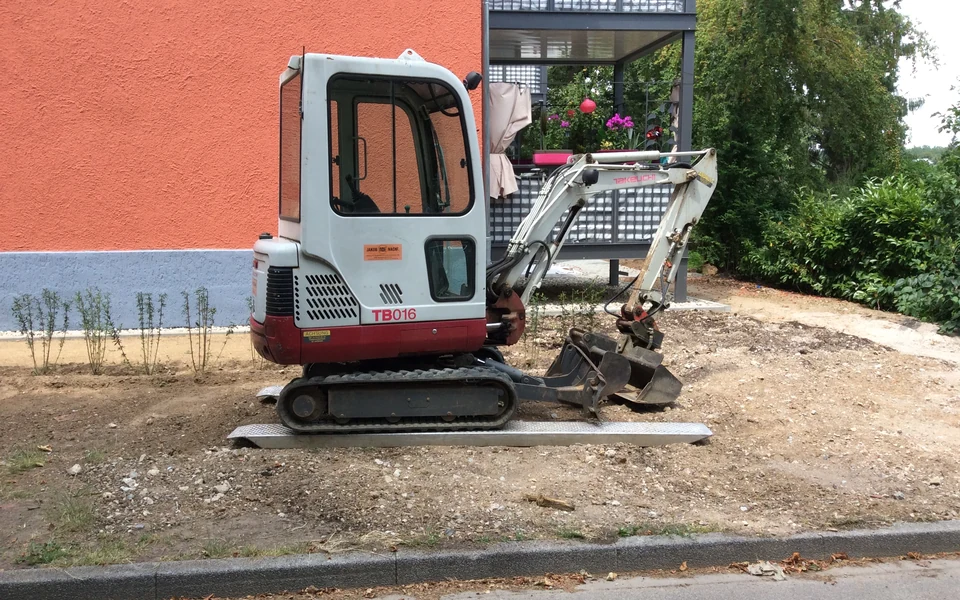
Typical sizes compared
The figures below are typical ranges for common machines. Every model is different, so confirm the specification of the exact machine offered before you book.
| Class | Typical width | Typical maximum dig depth | Good for |
|---|---|---|---|
| Micro digger (0.8–1.2 t) | About 0.7–1 m, often with retractable tracks | About 1.5–1.8 m | Rear gardens, narrow access, small trenches |
| Mini digger (1.5–2 t) | About 1–1.3 m | About 2.2–2.5 m | Footings, drainage, landscaping |
| Mini digger (2.5–3.5 t) | About 1.5–1.7 m | About 2.8–3.2 m | Extensions, longer service trenches, breaking out |
| Mini digger (5 t) | About 1.9–2 m | About 3.4–3.8 m | Driveways, site strip, loading spoil |
| Midi digger (6–10 t) | About 2.2–2.5 m | About 4–4.5 m | Larger groundworks, foundations, drainage on open sites |
Start with access
Measure the narrowest point between where the delivery lorry stops and where the machine will work. Gates, side passages, steps, kerbs and overhead cables all count. Micro diggers with retractable tracks and fold-in blades can pass through gaps of well under a metre, but they are slower and less stable than wider machines. If the only route is through the house, ask whether the hire company can protect floors or whether a different route is possible.
Ground conditions matter too. A loaded machine on a soft lawn or a block-paved drive can leave ruts or crack edging. Ground protection mats are usually available as an extra.
Then check depth and reach
Most domestic footings and drainage runs fall within the reach of a 1.5 to 3 tonne machine. The published maximum dig depth is measured with the boom fully extended, so the practical working depth with a full bucket is a little less. If you need to load a tipper or a skip, check the dump height too: small machines may not clear the side of a tipper lorry.
Buckets and attachments
Most hires include a selection of buckets, often a narrow trenching bucket, a wider digging bucket and a grading or ditching bucket. Ask what is included and what costs extra. Common add-ons are:
- Hydraulic breaker for concrete and rock
- Auger for post holes and piles
- Tilt bucket or tilt rotator for shaping banks and levels
- Quick hitch, so buckets can be changed quickly and safely
Transport, towing and fuel
A 1.5 tonne digger can often be towed on a plant trailer behind a suitable vehicle. Check your vehicle's towing limit, the combined weight of trailer and machine, and your licence entitlement before you plan to collect. Heavier machines are delivered on a plant lorry or beam trailer, and delivery and collection are normally charged on top of the hire rate.
Machines usually arrive with fuel, and you may be charged for refuelling at the end of the hire. Ask whether red diesel restrictions affect what fuel you can use.
Self-drive or operated
Self-drive hire suits people who are trained and confident with the machine. Many sites run by contractors expect operators to hold a CPCS or NPORS card. If you have no experience, an operated hire is often quicker and safer overall. Our guide to self-drive or operated plant hire explains the differences.
What to include in your request
To get accurate quotes, tell the hire company:
- The job, such as footings, drainage, garden levelling or breaking out
- Depth and length of trench, or the area to dig
- Narrowest access width and any height limits
- Whether you need buckets, a breaker or an auger
- Self-drive or with an operator
- Start date and expected length of hire
- Full site address, so delivery can be priced
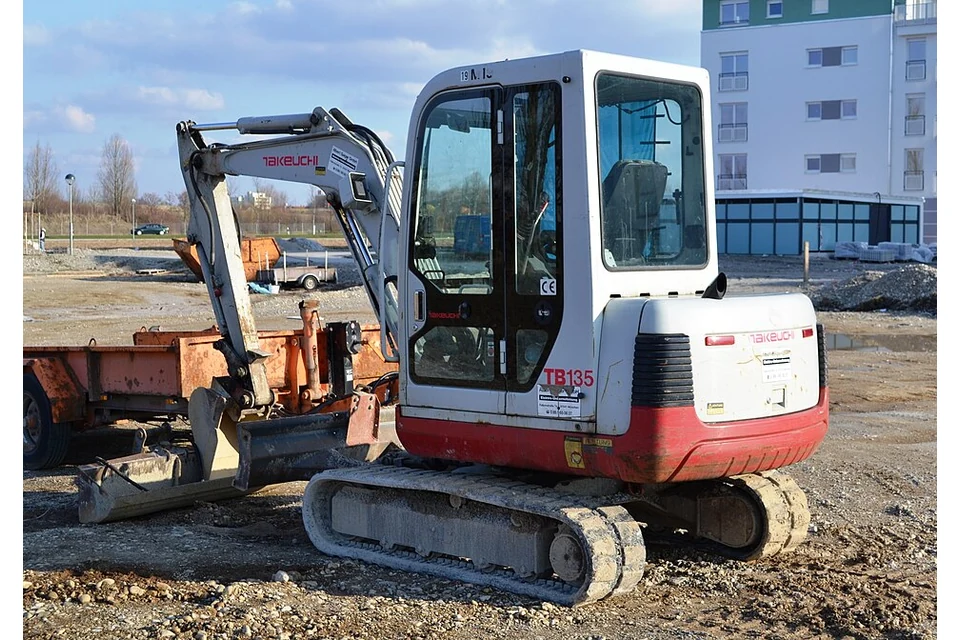
Indicative prices
As a rough guide, a 1.5 tonne mini digger is often hired for around £300 to £350 a week before VAT, and a 3 tonne machine for around £385 to £450 a week. These are examples from individual hire companies, not Rentapa prices. Delivery, attachments, fuel and damage waiver are usually extra, and prices vary by region and season.
Rentapa sends your request to hire companies that cover your area. They contact you directly with availability and a price.