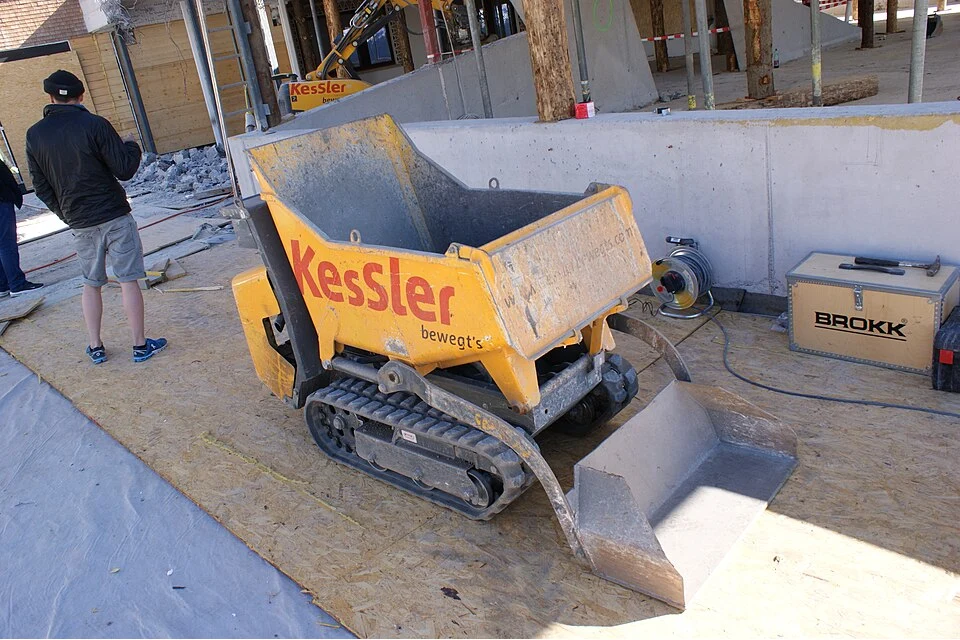
Telehandler sizes: how much reach and capacity do you need?
A telehandler is sized by two numbers: how high it lifts and how much it can lift. The catch is that the maximum capacity is only available close to the machine with the boom low. At full height or full reach, the safe load can be a fraction of the headline figure. Choosing the right size means checking the load chart for the actual lift, not just the brochure numbers.
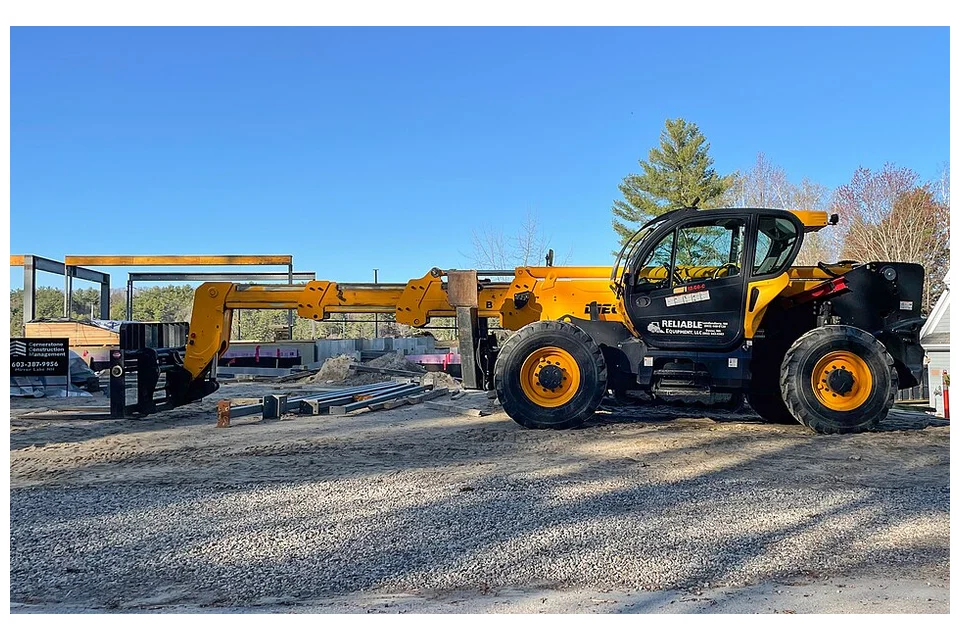
Common telehandler classes
| Class | Typical maximum lift height | Typical maximum capacity | Typical uses |
|---|---|---|---|
| Compact (around 6–7 m) | About 6–7 m | About 2.5–3.3 t | Farms, landscaping, unloading, tight sites |
| Mid-size (around 9–10 m) | About 9–10 m | About 3–3.5 t | Two-storey housing, pallets of bricks and blocks |
| Large (around 13–14 m) | About 13–14 m | About 3.5–4 t | Three and four-storey buildings, roof materials |
| High reach (around 17–18 m) | About 17–18 m | About 4 t | Taller buildings, long reach over scaffolding |
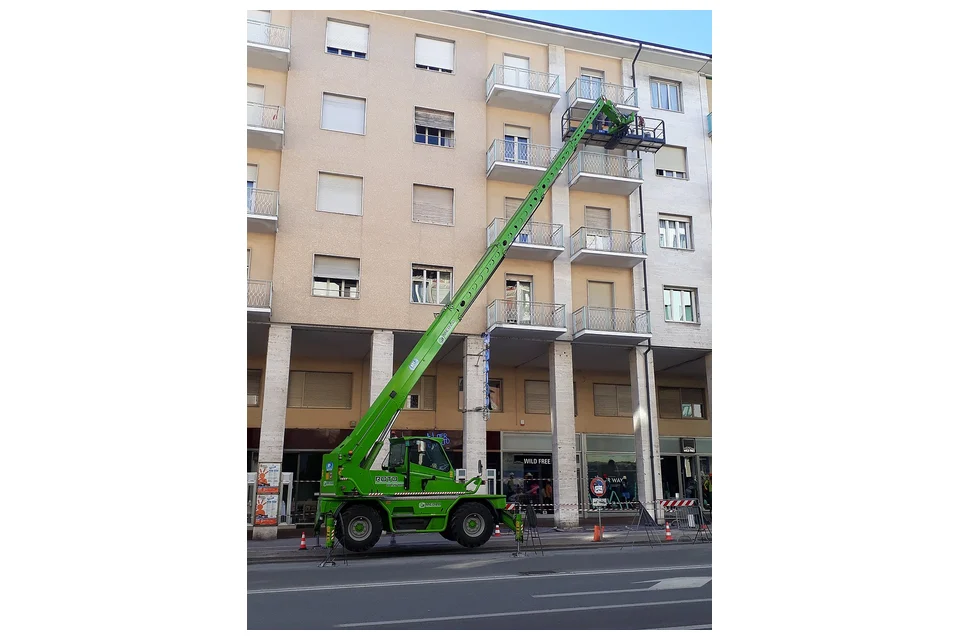
| Rotating (around 18–30 m) | About 18–30 m | About 4–7 t | Placing loads like a crane, working from one spot |
Read the load chart
Every telehandler has a load chart in the cab showing the safe working load at each combination of boom angle and extension. A 14 m machine rated at 4 tonnes might handle only around 1 tonne at full extension. Before you choose a size, work out:
- The heaviest single load, such as a pallet of blocks or a roof truss bundle
- How high it needs to go
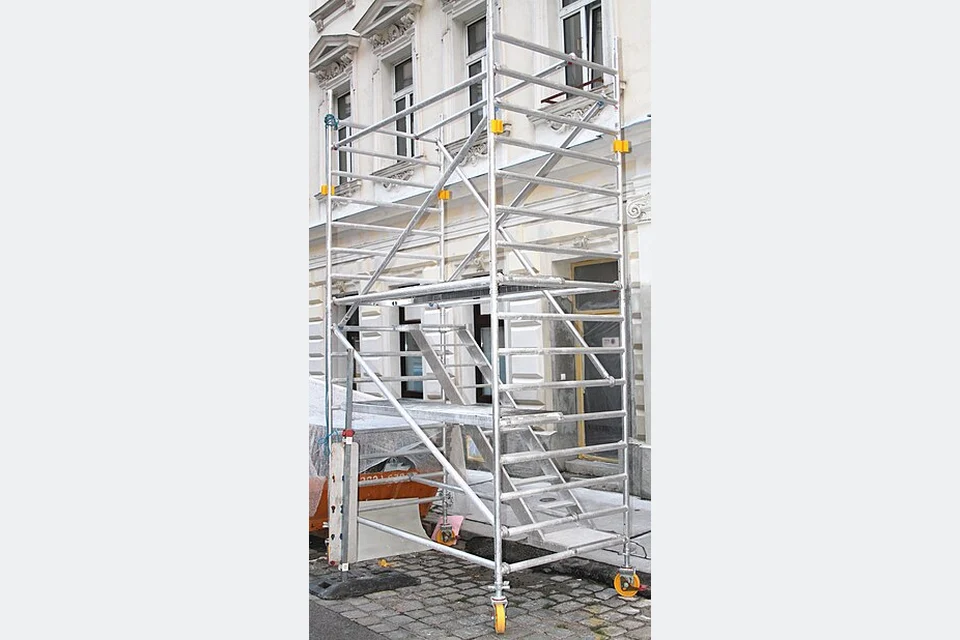
- How far from the front wheels it needs to be placed, including any scaffold between the machine and the building
If the load at the required height and reach is close to the limit, choose the next size up.
Attachments
Pallet forks come as standard. Other attachments change the capacity and must be fitted and recognised by the machine's safety system:
- General purpose or high-tip bucket for loose materials
- Jib or crane hook for slinging loads, which turns the job into a lifting operation that needs a lift plan
- Man basket or access platform, only on machines and baskets designed for it
- Brick grab, sweeper or bale handler
Site and ground conditions
Telehandlers need firm, reasonably level ground. Soft ground or slopes reduce stability, and outriggers on larger machines need a solid base. Check the route from the road to the working area, the turning space, overhead cables and any underground services or voids.
Telehandler, forklift or crane?
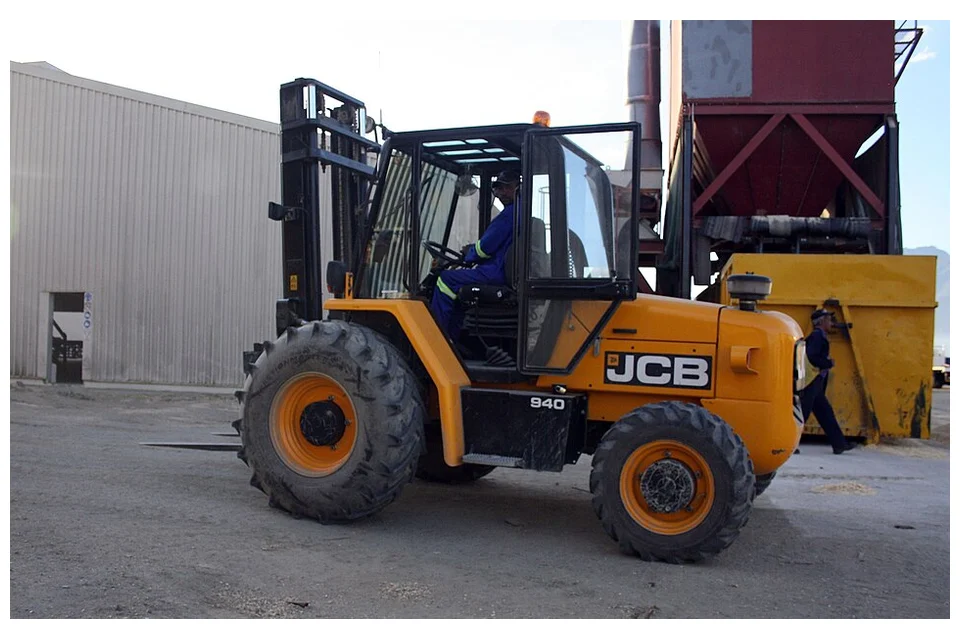
If you only move pallets at ground level on a concrete yard, a forklift is usually cheaper. A rough terrain forklift handles unmade ground at lower height. For heavy or precise lifts over a building, a crane or rotating telehandler may be safer. See lorry loader, mobile crane or tower crane for heavier lifts.
Operators and training
Telehandler operators should be trained and competent for the machine and attachments used. Many contractors expect a CPCS or NPORS card for telescopic handlers. If nobody on site is qualified, ask for an operated hire. Our guide to plant operator cards explains the main schemes.
Indicative prices
As a rough guide, a 7 m to 9 m telehandler is often hired for around £450 to £475 a week before VAT, and a 14 m machine for around £450 to £520 a week. A 17.5 m telehandler can be around £600 a week. These are examples from individual hire companies, not Rentapa prices. Transport, attachments and an operator, if needed, are extra.
What to include in your request
- Heaviest load and the height and distance it must be placed
- Attachments needed
- Ground conditions and access
- Self-drive or operated
- Dates and full site address
Rentapa forwards your request to hire companies covering your area. They contact you directly with availability and a quote.