Which site dumper should you hire?
Dumpers are sized by payload, the weight they can carry. The right size depends on how much material you need to move, how far, and how narrow and soft the route is. Small tracked dumpers replace wheelbarrows in gardens, while forward tipping dumpers of 3 to 9 tonnes move spoil and aggregate around building sites.
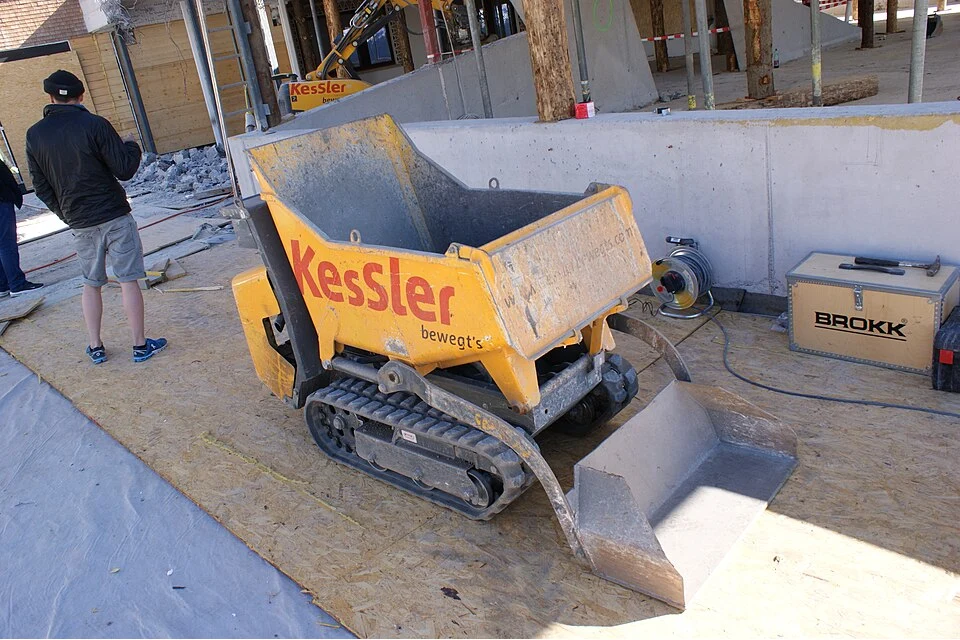
Dumper types and sizes
| Type | Typical payload | Typical width | Good for |
|---|---|---|---|
| Tracked barrow / mini tracked dumper | About 0.3–1 t | About 0.7–0.9 m | Gardens, side passages, soft ground |
| High-tip dumper | About 0.5–1 t | About 0.8–1.2 m | Tipping into skips and containers |
| Tracked dumper | About 1.5–3 t | About 1.2–1.8 m | Larger gardens, soft or sloping ground |
| Swivel-skip dumper | About 2–3 t | About 1.6–1.8 m | Placing material along trenches, general groundworks |
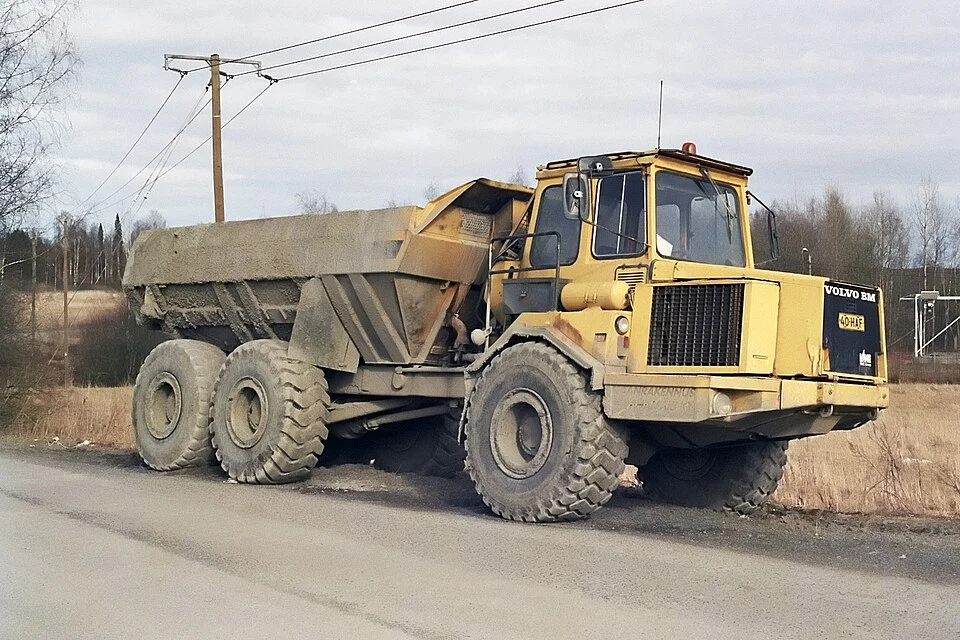
| Forward tipping dumper | About 6–9 t | About 2–2.5 m | Larger sites, longer runs, bulk earthmoving |
Check the exact width of the machine offered against your narrowest gate or passage.
Tracked or wheeled?
Tracked dumpers spread their weight, so they cope better with mud, grass and slopes, and leave fewer ruts. Wheeled dumpers are faster on firm surfaces and haul roads. If the route crosses a lawn or a block-paved drive, consider ground protection mats.
Tipping options
- Forward tip: the skip tips over the front, the standard on larger dumpers
- Swivel skip: the skip rotates so you can tip to the side, useful along trenches
- High tip: the skip lifts before tipping, so you can fill a skip or container
Pairing a dumper with a digger
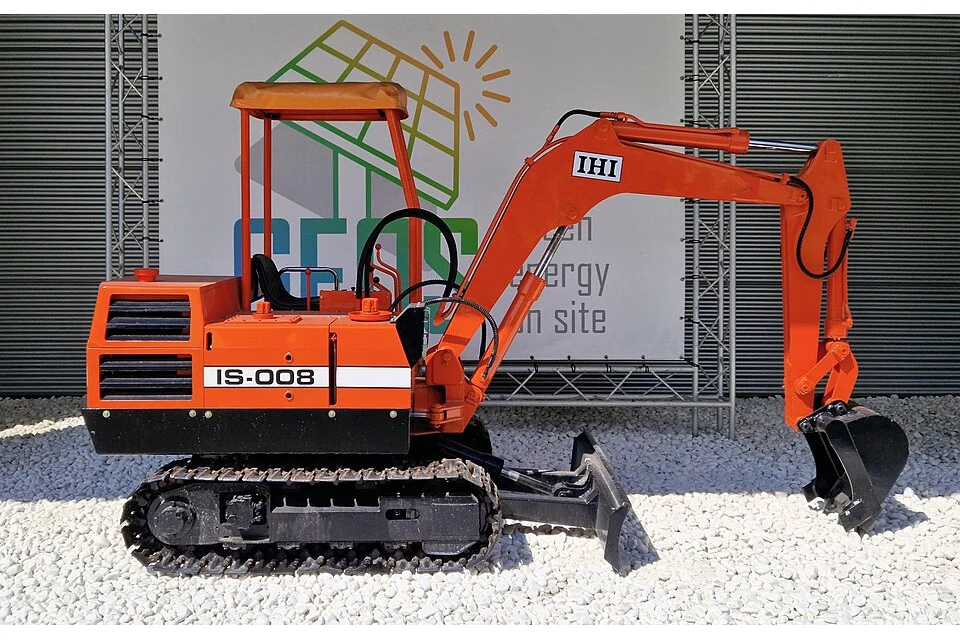
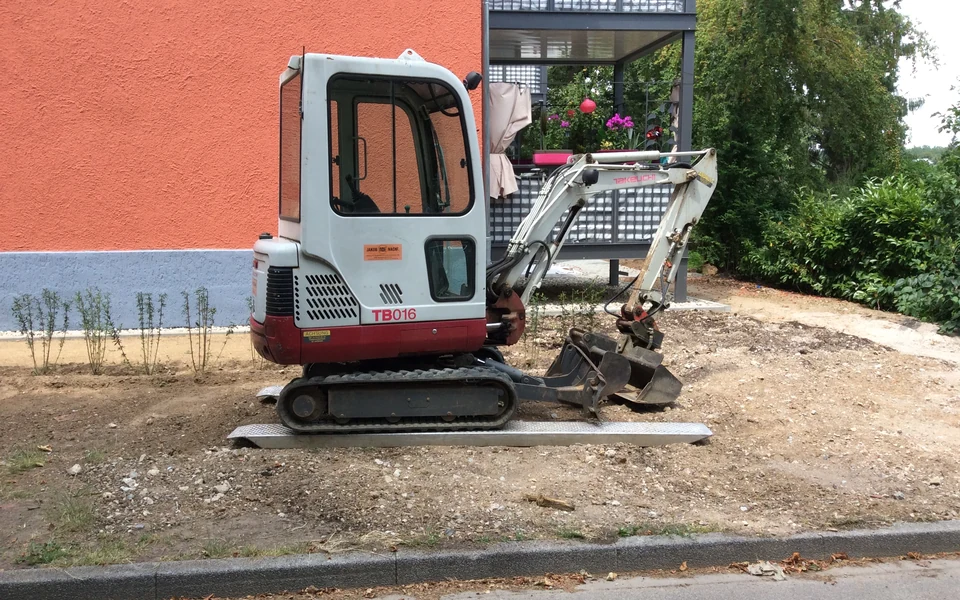
Match the dumper to the digger loading it. A small digger fills a 1 tonne dumper in a few bucket loads, while a 3 tonne dumper suits a 3 to 5 tonne excavator. If the dumper waits too long to fill, or the digger waits for the dumper, the hire costs more than it should. For mini digger sizes, see mini digger sizes.
Safety
Dumper overturns are a known cause of serious injuries on UK sites. Keep these points in mind:
- Use the rollover protection and wear the seat belt on ride-on dumpers
- Avoid travelling across slopes and keep away from trench and excavation edges
- Use stop blocks when tipping into excavations
- Do not carry passengers
- Keep the skip clear of the driver's view, or use a dumper with a reversing camera
Many contractors require a CPCS or NPORS card for forward tipping dumpers.
Road use
Dumpers driven on public roads must meet registration, lighting and insurance requirements. If the route crosses a road, ask the hire company what is needed or arrange transport instead.
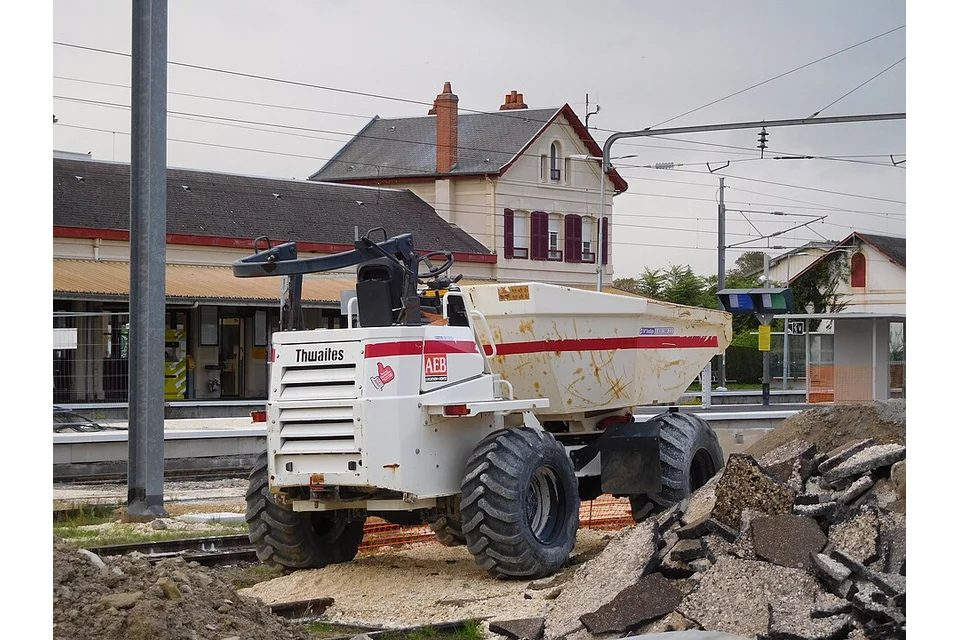
Indicative prices
As a rough guide, a 1 tonne high-tip dumper is often hired for around £250 a week before VAT, a 3 tonne dumper for around £195 to £350 a week, and a 9 tonne dumper for around £550 a week. These are examples from individual hire companies, not Rentapa prices. Delivery and an operator, if needed, are extra.
What to include in your request
- Material and approximate volume
- Distance and route, including the narrowest point and slopes
- Whether you need to tip into a skip or lorry
- Self-drive or operated
- Dates and full site address
Rentapa forwards your request to hire companies covering your area, and they contact you directly.