Plant operator cards explained: CPCS, NPORS, IPAF and CSCS
UK health and safety law requires that people who use work equipment are trained and competent. It does not name one card scheme. In practice, many construction sites, especially those run by main contractors, ask operators to show a recognised card before they are allowed to use plant. The most common are CPCS and NPORS for plant, and IPAF for powered access platforms.
The main schemes
| Scheme | What it covers | Notes |
|---|---|---|
| CPCS | Construction plant, by category (for example 360 excavators, forward tipping dumpers, telescopic handlers) | Widely recognised on major sites; usually a trained operator card first, then a competent operator card after an NVQ |
| NPORS | Construction plant and many other machines, by category | Many cards are also recognised by major contractors; check the site's requirements |
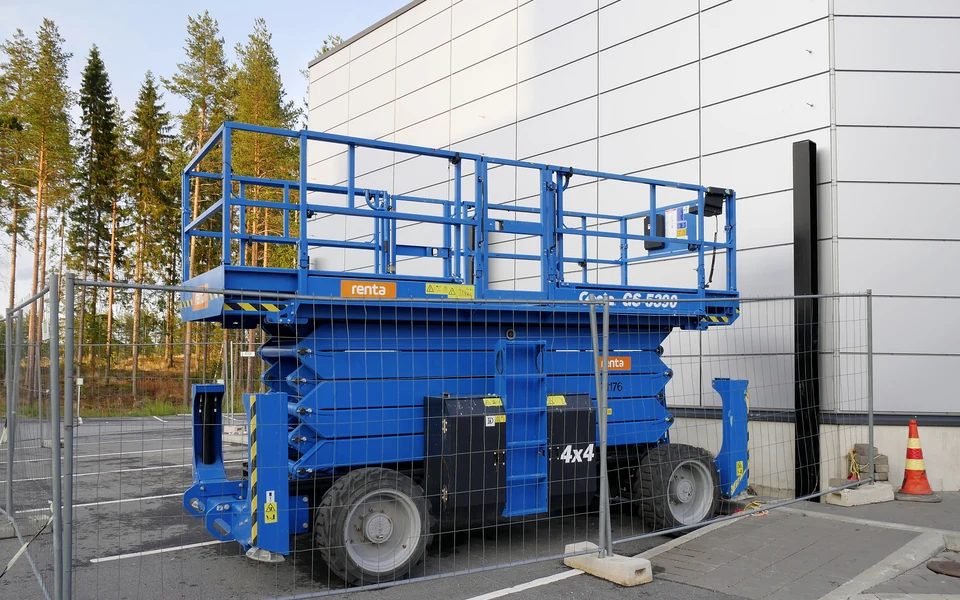
| IPAF PAL card | Mobile elevating work platforms, by category (for example static vertical, mobile vertical, mobile boom) | Common requirement for scissor lifts and boom lifts |
| CSCS | Site access for workers in general | Not a plant licence; shows basic health and safety knowledge and occupation |
Rules and card names change over time. Check the latest requirements with the scheme and with the site or principal contractor before the hire starts.
Is a card a legal requirement?
The law, including the Provision and Use of Work Equipment Regulations (PUWER), requires that operators are adequately trained and that the equipment is suitable and maintained. A card is a common way to show training, but the legal duty is about competence, supervision and safe systems of work. On a private domestic job, the hire company may still ask about your experience before releasing a machine for self-drive hire.
Which card for which machine?
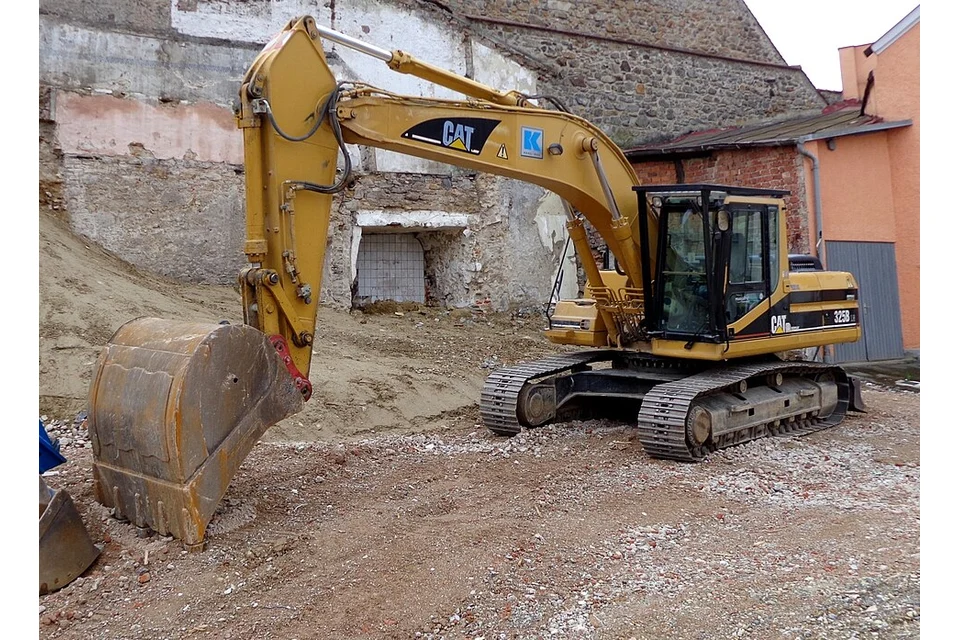
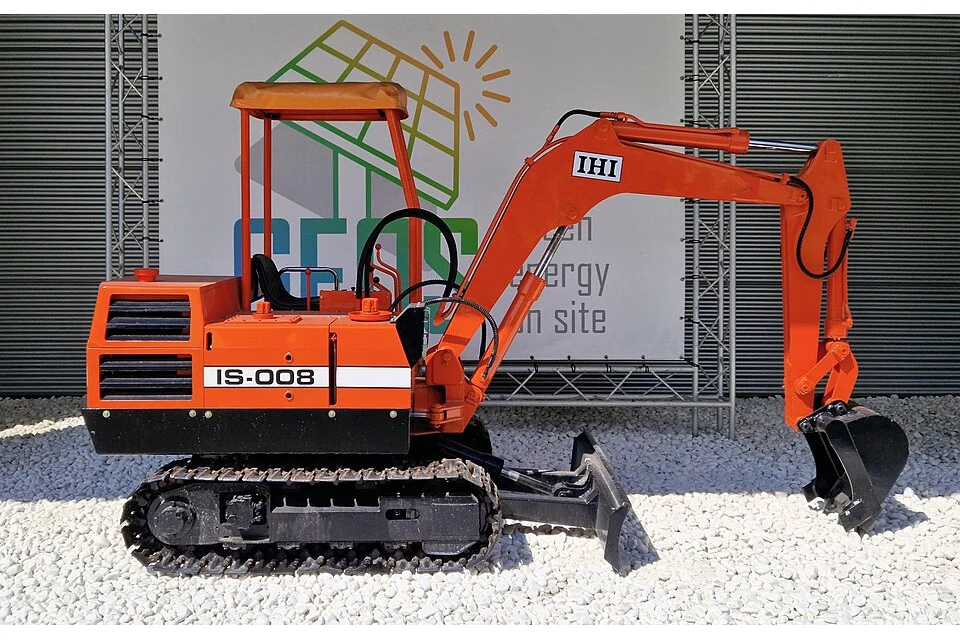
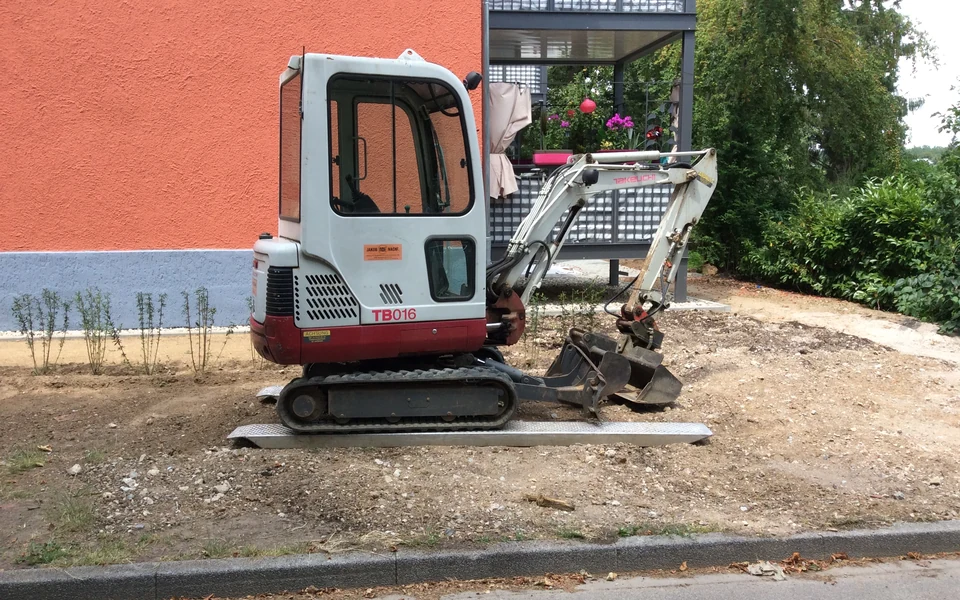
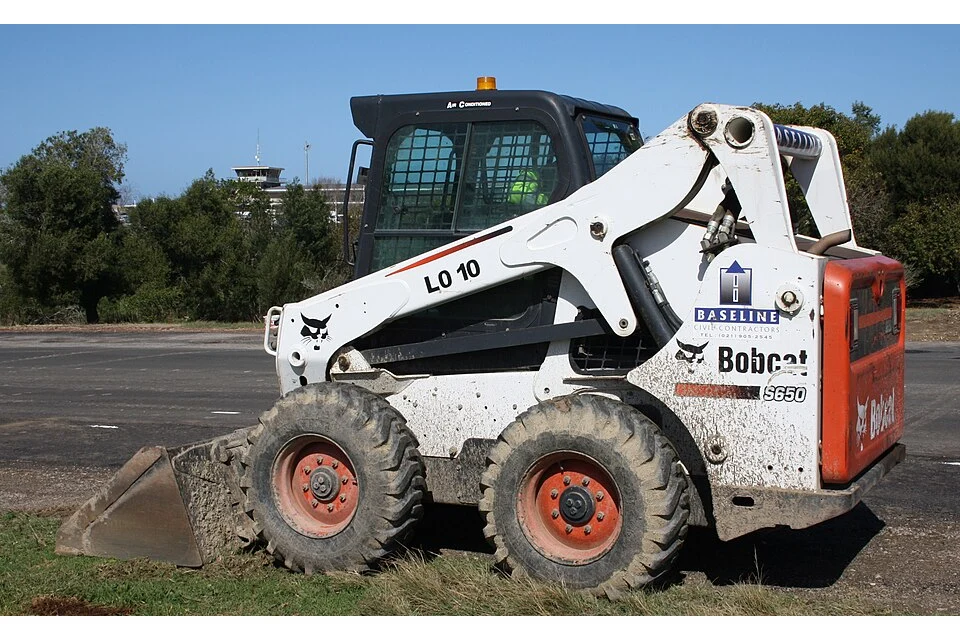
- Excavators and mini diggers: 360 excavator categories, often split by weight
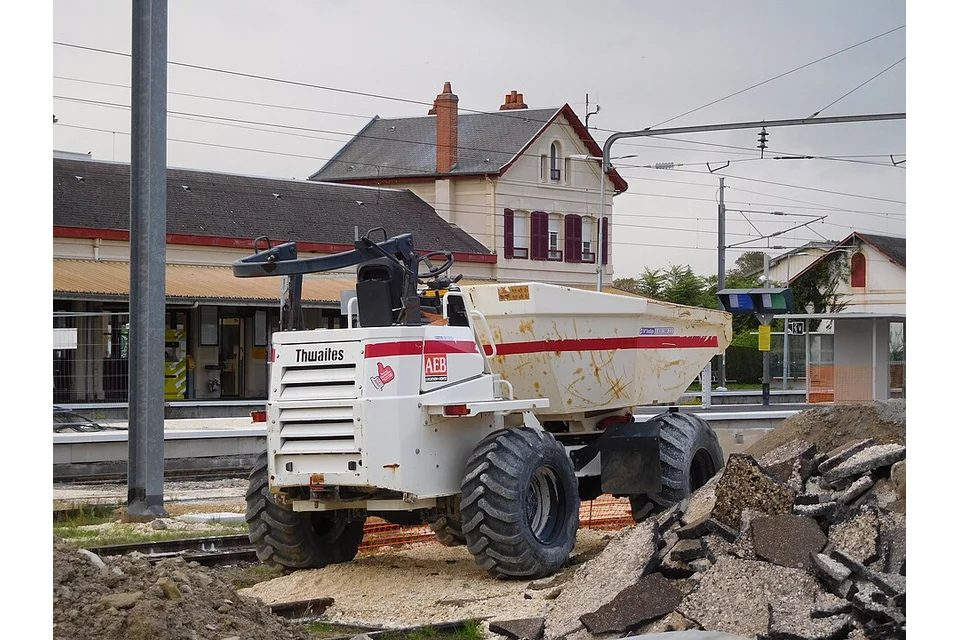
- Dumpers: forward tipping dumper categories
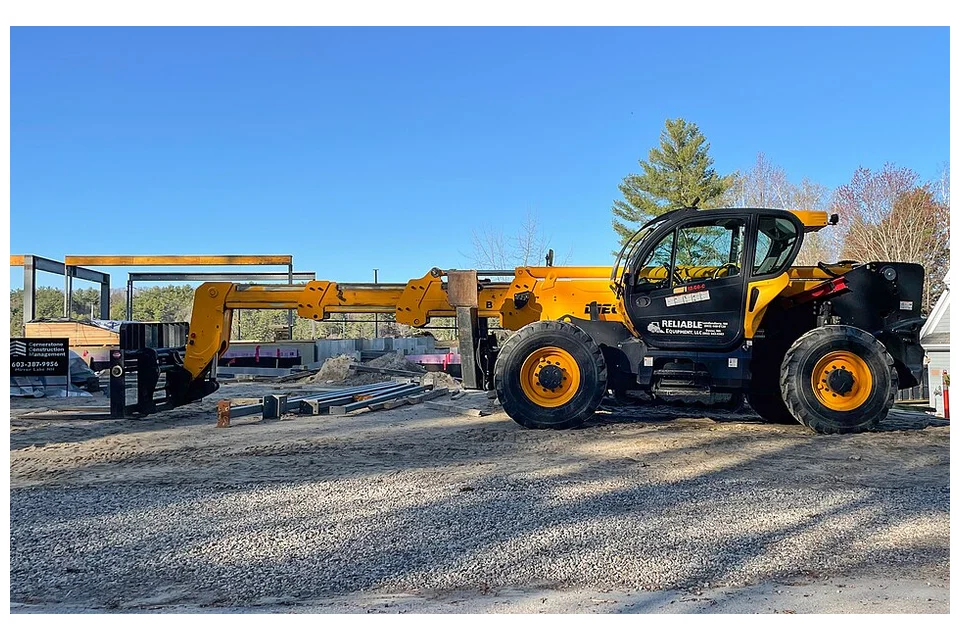
- Telehandlers: telescopic handler categories, with separate requirements for suspended loads
- Rollers: ride-on roller categories
- Scissor lifts: IPAF mobile vertical (3a)
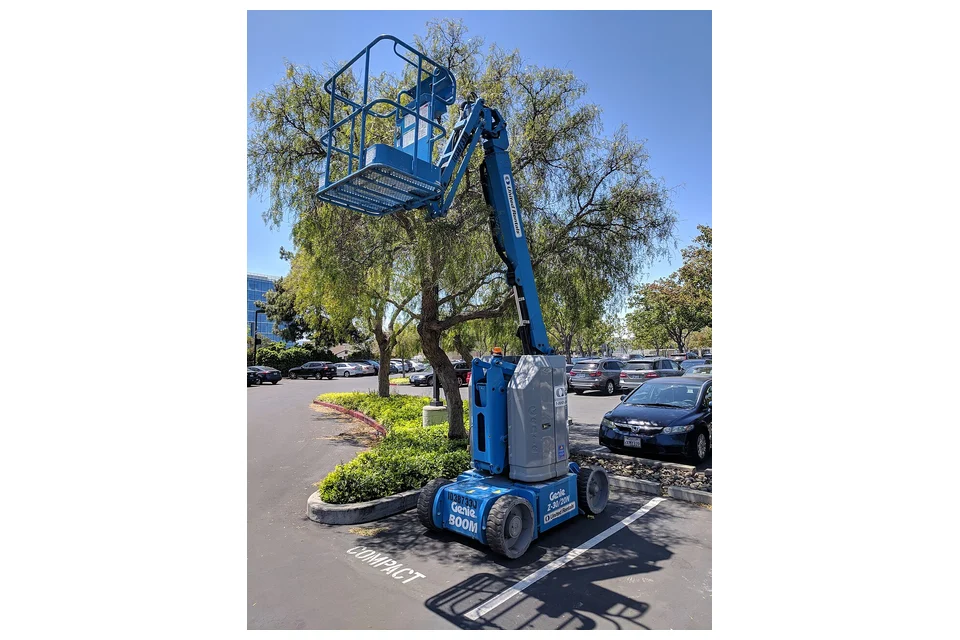
- Cherry pickers and boom lifts: IPAF mobile boom (3b)
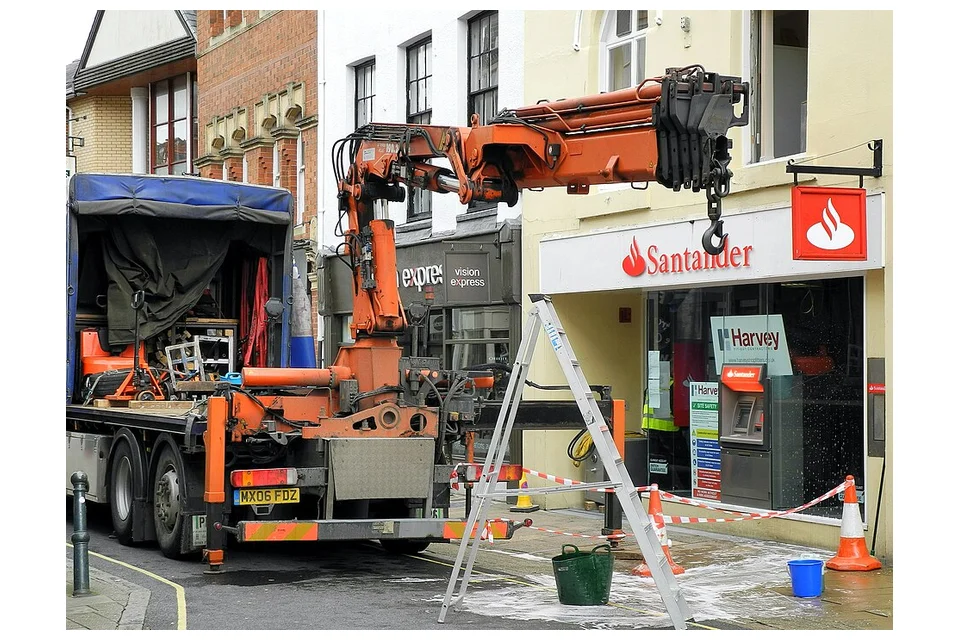
- Van and truck-mounted platforms: IPAF static boom (1b)
- Cranes and lifting: crane operator, slinger/signaller and lift supervisor roles are separate
Lifting operations
When a machine lifts a suspended load, such as a telehandler with a hook or a crane, the Lifting Operations and Lifting Equipment Regulations (LOLER) apply. Lifts must be planned by a competent person, supervised appropriately and carried out safely. For crane hire, ask whether the price is for a basic hire or a contract lift.
Hiring without a card
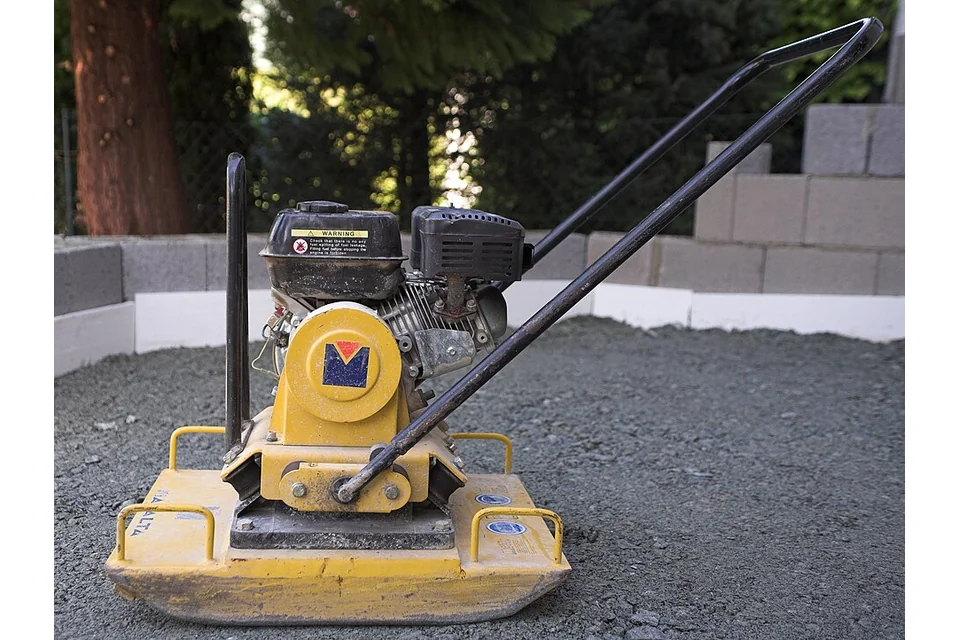
If you hire self-drive, the hire company may ask what experience you have, and may offer a short familiarisation at delivery. This is not formal training. For machines like small diggers, dumpers and plate compactors on private land, experienced users often hire self-drive. For anything near the public, roads, services or at height, consider an operated hire.
Operated hire as an alternative
An operated hire means the hire company supplies a trained operator. This often removes the card question for your team and can speed up the job. See self-drive or operated plant hire for a comparison.
What to tell the hire company
When you send a request, say whether you need the machine with an operator, which card the site requires and any site induction rules. Rentapa passes your request to hire companies covering your area, and they contact you directly to confirm what they can offer.