Plant hire prices: what affects the cost and how to compare quotes
The hire rate for a machine is only part of the total cost. Delivery and collection, fuel, attachments, damage waiver, an operator and VAT can add a lot, especially on short hires. The most reliable way to compare prices is to ask each hire company for the same items, priced the same way.
What makes up a hire price
| Cost | What to check |
|---|---|
| Hire rate | Per day, per week or per month; when a short hire becomes a weekly charge |
| Delivery and collection | Usually priced by distance and vehicle type; sometimes free for small tools |
| Damage waiver or insurance | Often a percentage of the hire; check what is excluded |
| Fuel | Supplied full or empty; refuelling charges at the end |
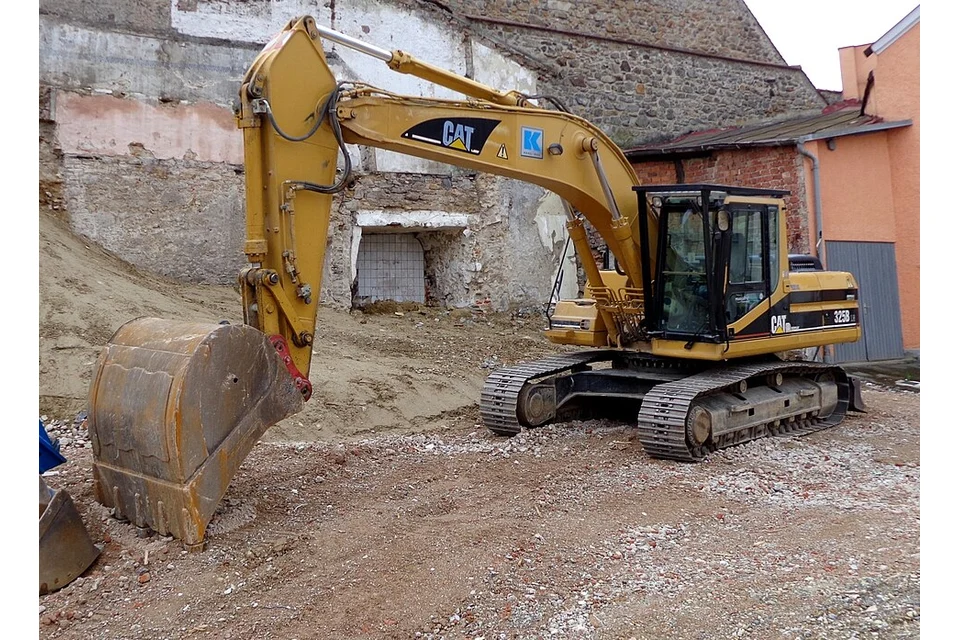
| Attachments and consumables | Buckets, breakers, diamond blades and bits are often extra |
| Operator | Day rate, overtime, travel and minimum charges |
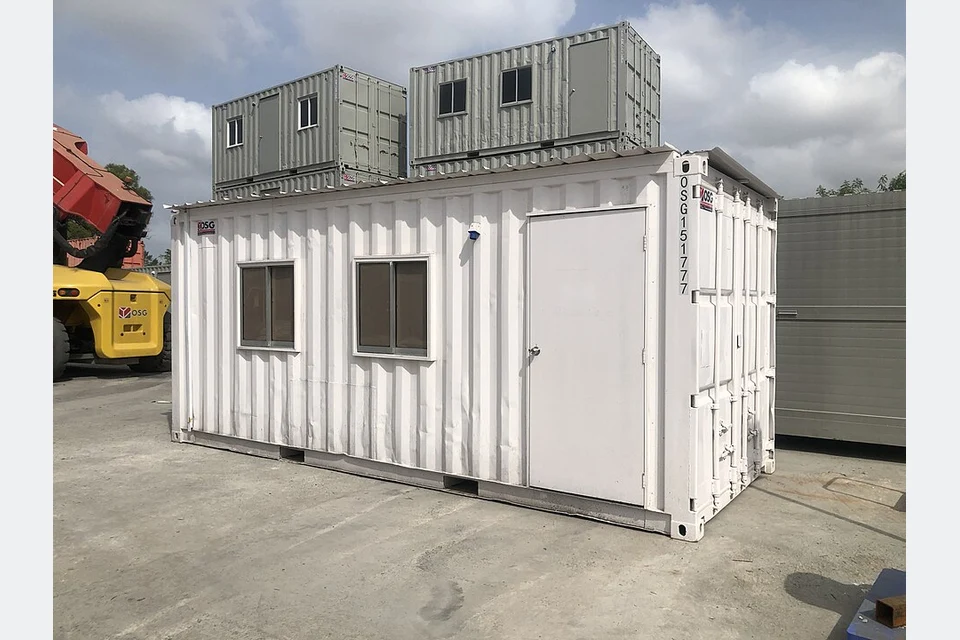
| Minimum hire | Common for cabins, toilets and fencing |
| VAT | Trade price lists in the UK usually exclude VAT |
Examples of weekly hire rates
The figures below are examples taken from individual UK hire companies in October 2026. They are not Rentapa prices and not market averages. Prices vary by region, model, season and availability.
| Machine | Example weekly hire, before VAT |
|---|---|
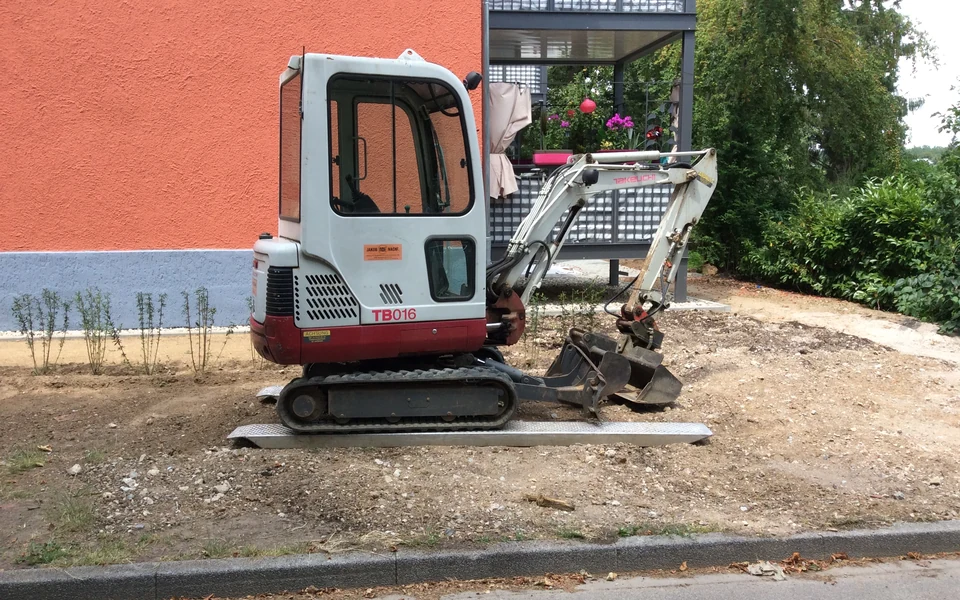
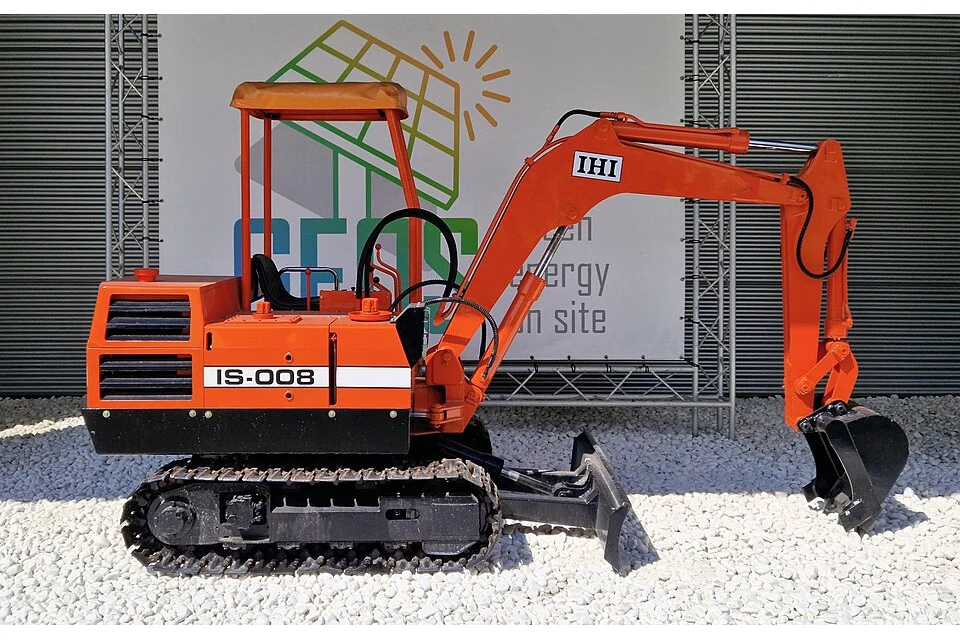
| Micro digger (about 1 t) | About £230–£300 |
| Mini digger (about 3 t) | About £385–£450 |
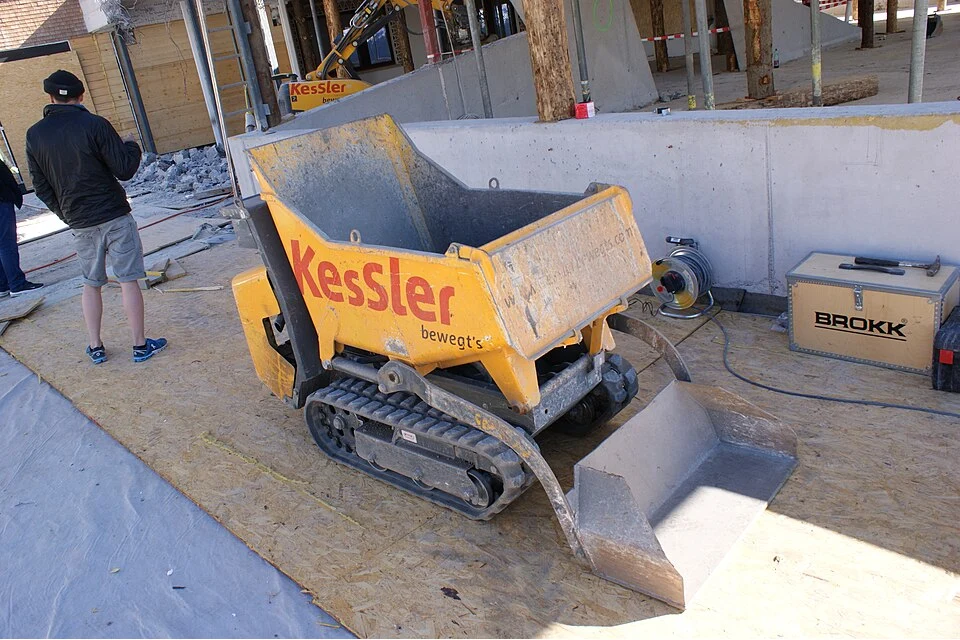
| Site dumper (about 3 t) | About £195–£350 |
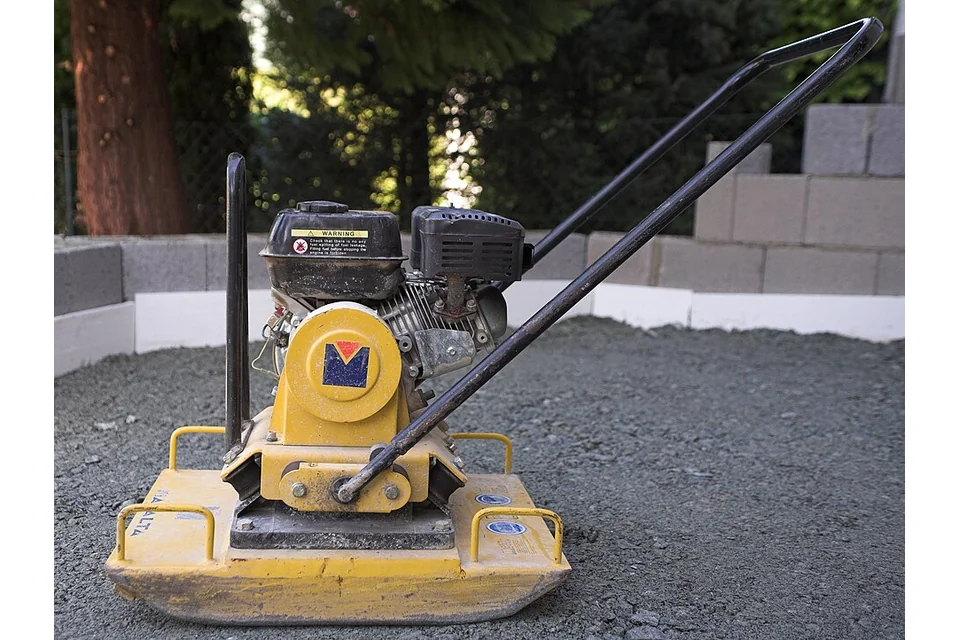
| Wacker plate | About £60–£76 |
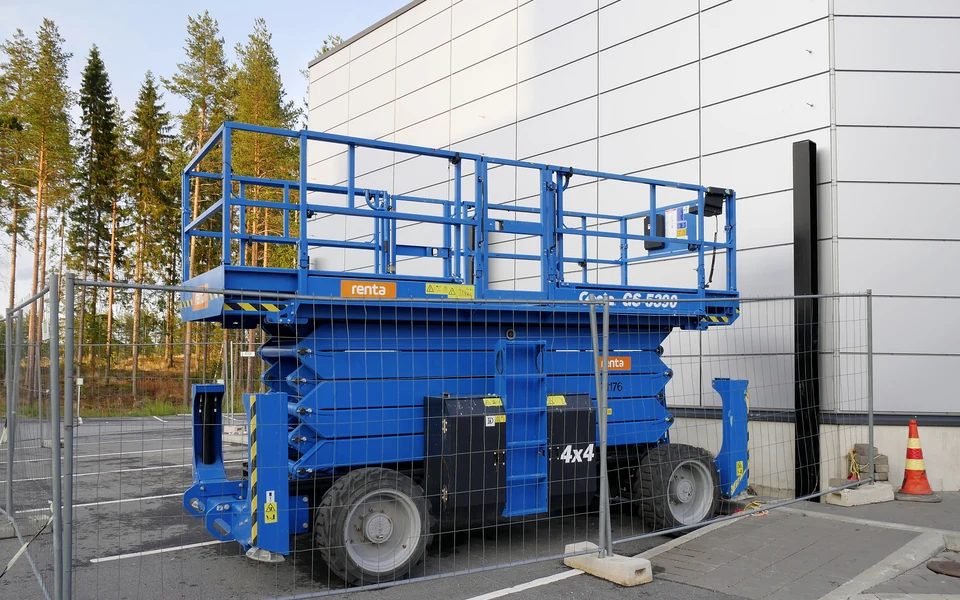
| Scissor lift (about 8 m) | About £200–£250 |
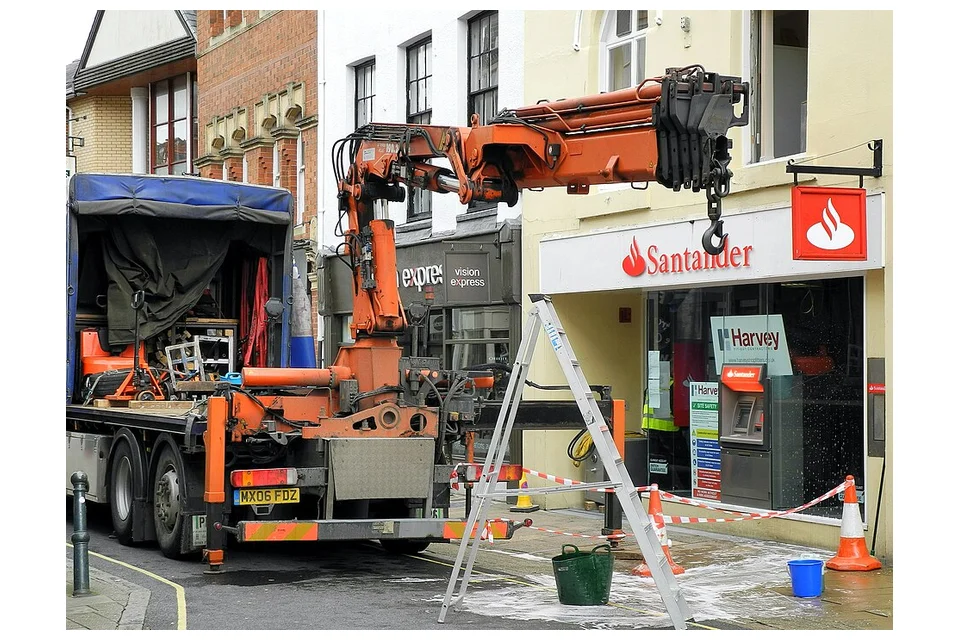
| Cherry picker (about 16 m) | About £700 |
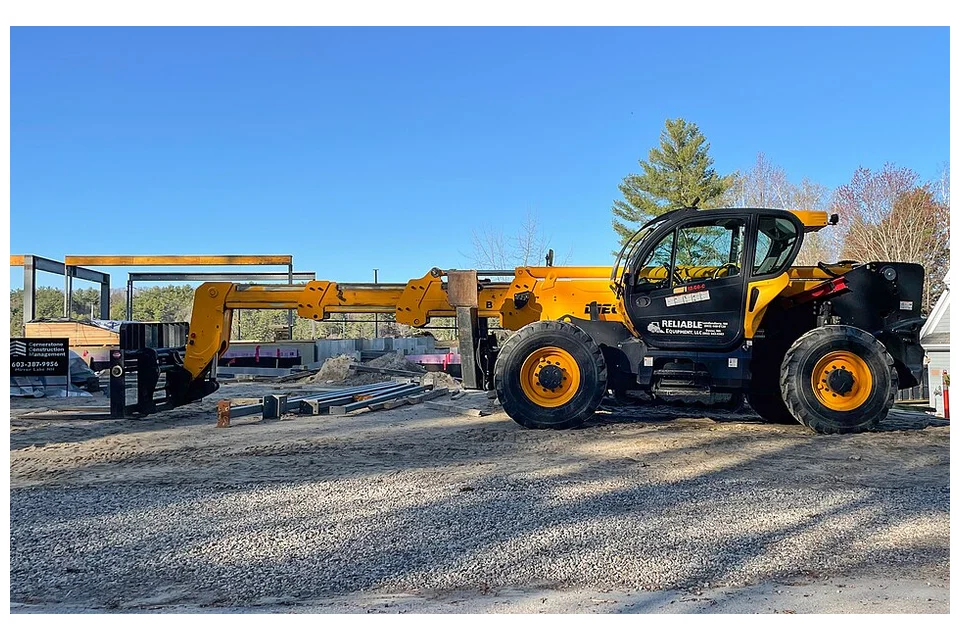
| Telehandler (about 14 m) | About £450–£520 |
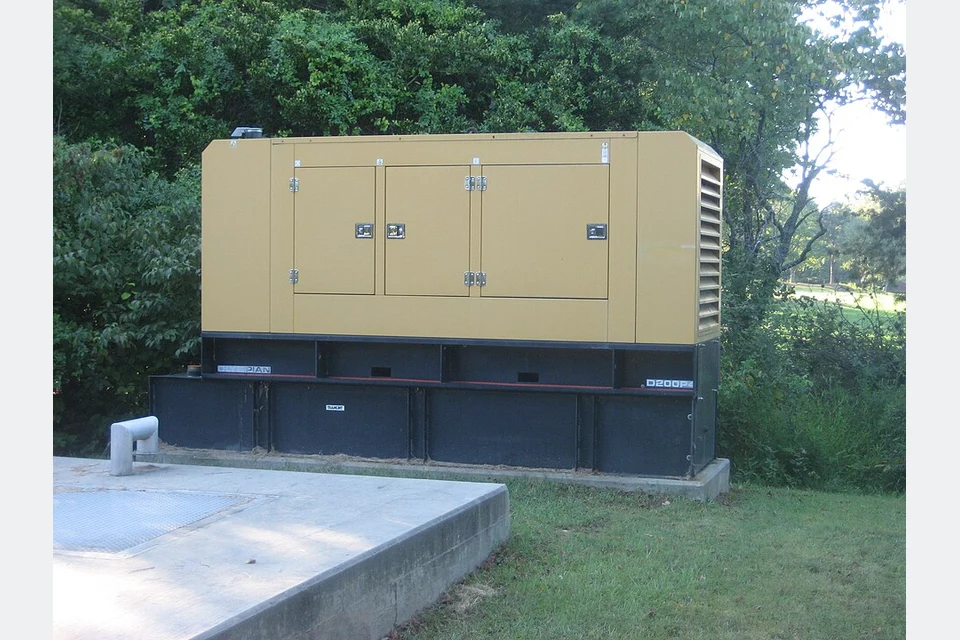
| Generator (10 kVA diesel) | About £150 |
Daily, weekly and long-term hire
Many hire companies charge a day, a weekend and a week, with the weekly rate kicking in after a few days. For longer projects, monthly or contract rates can be much lower per week. Ask how the price is calculated if the job runs over, and how much notice is needed to off-hire.
Why prices vary
Rates are often higher in London and the South East, where demand and transport costs are higher, and in remote areas or islands where machines have to travel further. Spring and summer are busy for groundworks and access equipment, so availability can be tighter and short-notice hires cost more. Newer, low-emission or specialist machines may also be priced above older models of the same size.
Off-hire and returns
You are usually responsible for the machine until the hire company confirms the off-hire. Always get an off-hire reference number. Leave the machine clean, fuelled as agreed and secure for collection. Cleaning and refuelling charges are common.
Self-drive or operated
An operated hire costs more per day, but can be faster and reduce risk. See self-drive or operated plant hire.
How to get comparable quotes
Give every hire company the same information:
- Machine type and size, and attachments
- Start date and expected length of hire
- Full site address and access details
- With or without operator
- Whether you need delivery or will collect
Questions to ask before you book
Before you accept a quote, it helps to confirm a few practical points in writing. Ask what time the machine will be delivered and collected, and whether the hire clock starts on delivery or on the agreed start date. Check who is responsible if the machine breaks down, how quickly a replacement can be sent and whether you are charged for the days it cannot work. Ask whether the price covers weekends, and what happens if bad weather stops the job. If the machine needs a trained operator, confirm which card or training the hire company expects. Finally, keep the hire contract, the off-hire number and any photos of the machine's condition at delivery and collection.
How Rentapa works
Rentapa does not own machines or set prices. When you send a request, we pass it to hire companies that cover your area, and they contact you directly with their availability, price and terms. You then decide whether to go ahead.