What size generator do I need? Working out kVA for site, home or event
To choose a generator, list everything that will run at the same time, find the power each item uses and allow for motors that draw more when they start. Then check the voltage and whether you need single or three-phase power. The kVA figure on a generator is not the same as the kW you can use, so it helps to understand the difference before comparing quotes.
kW and kVA
kW measures real power, the energy your equipment actually uses. kVA measures apparent power. For a load with a known power factor, the relationship is kVA = kW ÷ power factor. Three-phase generators are commonly rated at a power factor of 0.8. The table shows the conversion on that basis only. It is not a sizing recommendation.
| Generator rating | Real power at power factor 0.8 |
|---|---|
| 10 kVA | 8 kW |
| 20 kVA | 16 kW |
| 40 kVA | 32 kW |
| 60 kVA | 48 kW |
| 100 kVA | 80 kW |
Check the continuous (prime) rating of the exact model. The maximum or standby rating can be higher than what the generator can supply all day.
Make a list of your loads
Collect the details from rating plates or data sheets. For motors, the mechanical rating may differ from the electrical power drawn, and the starting current can be several times the running current.
| Detail | Example |
|---|---|
| Equipment | Pump, fridge, lighting, sound system, power tools |
| Running power | kW or kVA from the data sheet |
| Starting | Starting current and starting method |
| Supply | Single or three phase, 110 V, 230 V or 400 V |
| Simultaneous use | Which items run at the same time |
| Priority | What can be switched off and what must stay on |
For a wedding or festival, the number of guests does not size the generator on its own. Electric catering, refrigeration, sound and lighting often matter more.
Rough kVA calculator
For a first estimate where the power factor is known, add the simultaneous running load in kW and divide by the power factor. Then discuss starting loads, phase balance and a sensible margin with the hire company or an electrician.
Petrol, diesel or super-silent
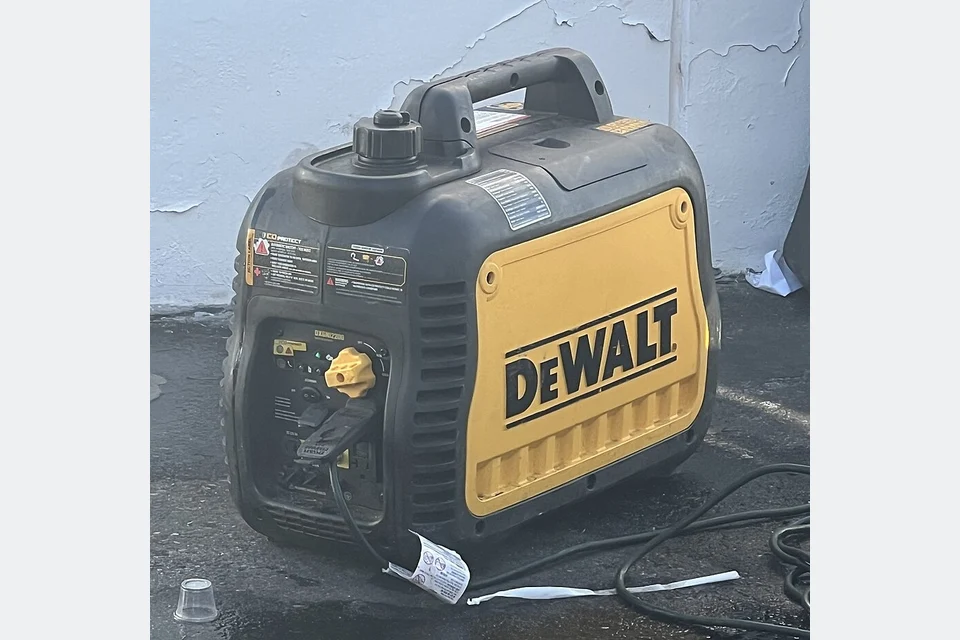
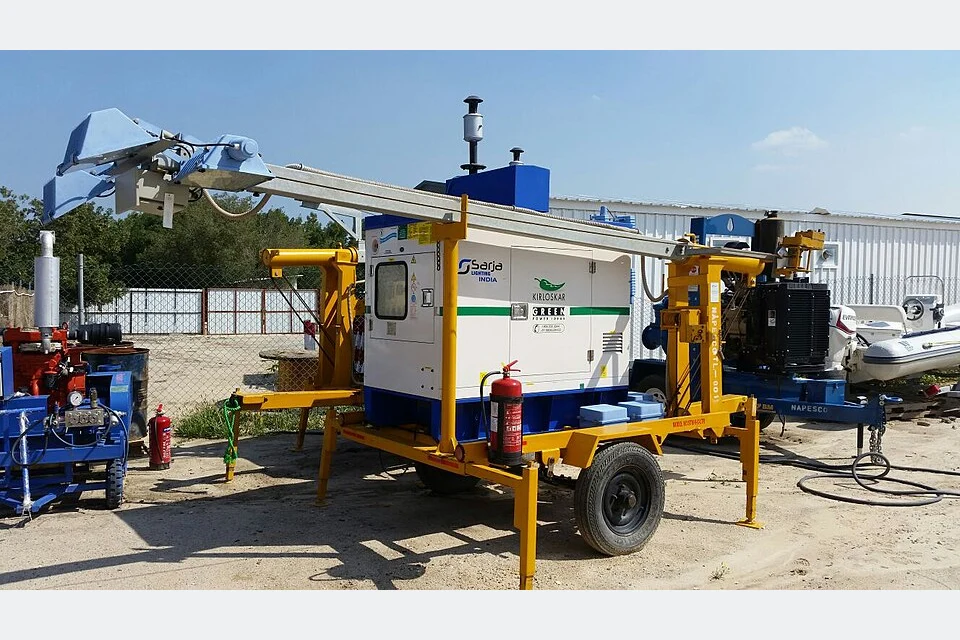
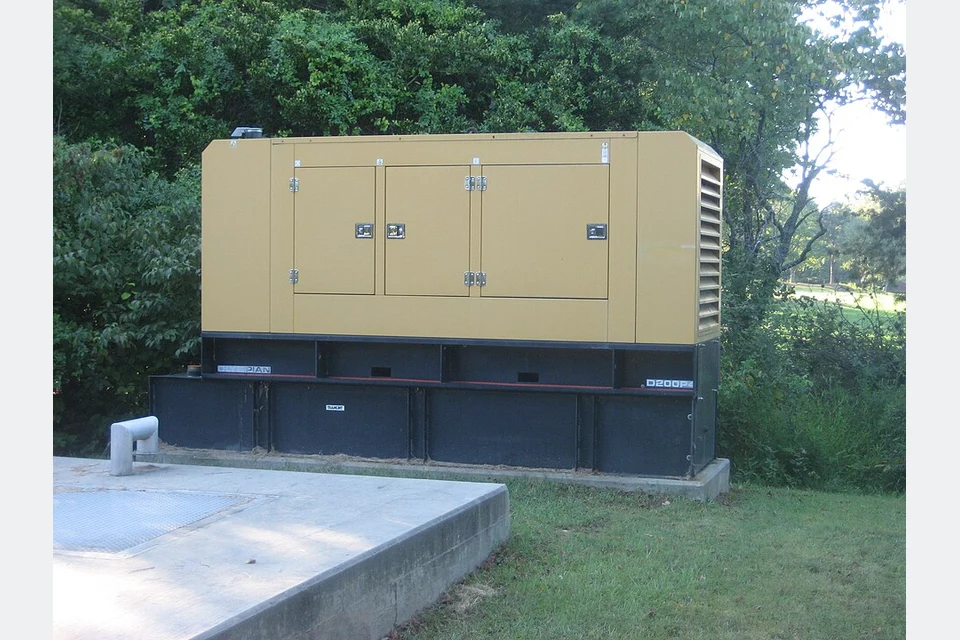
Small petrol generators of around 2 to 7 kVA are light and easy to move, which suits short jobs and single tools. Diesel generators from about 10 kVA upwards are more economical for long running hours. Super-silenced canopies are expected near homes, offices and events. Ask about fuel consumption at your expected load, refuelling arrangements and whether a bunded fuel tank is needed.
110 V and site safety
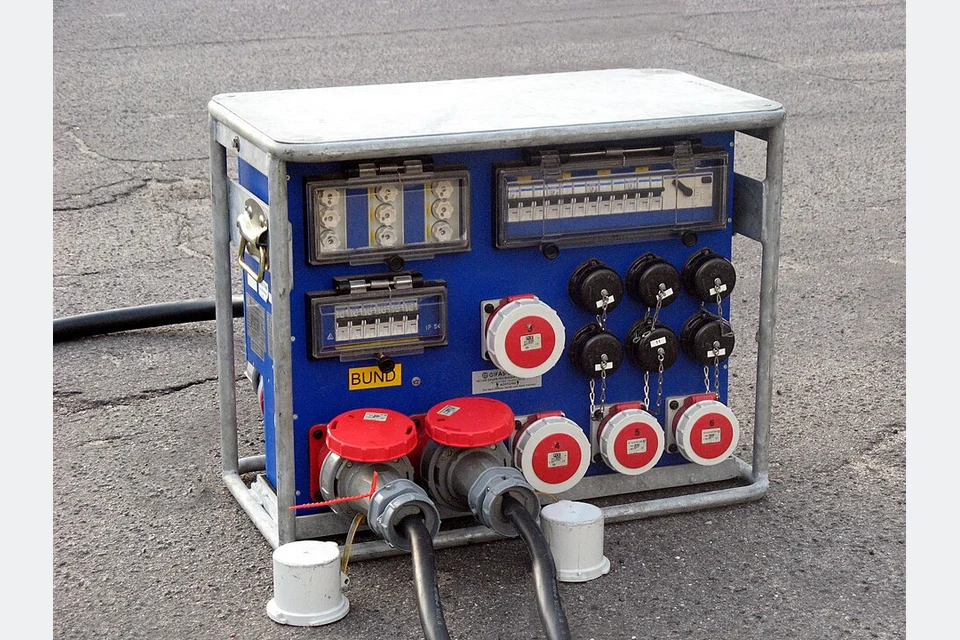
On UK construction sites, portable tools are usually 110 V, centre-tapped to earth, to reduce the risk of serious electric shock. Many hire generators have 110 V outlets, or you can add a site transformer. Larger installations should be connected by a competent electrician, especially when feeding a building or distribution board.
Placement
- Keep exhaust fumes away from doors, windows and air intakes
- Never run a generator inside an enclosed space
- Put it on firm, level ground away from flammable materials
- Protect cables from vehicles and pedestrians
Indicative prices
As a rough guide, a 3.5 kVA petrol generator is often hired for around £40 a week before VAT, a 10 kVA diesel for around £150 a week and a 20 kVA diesel for around £250 a week. A 40 kVA silent diesel can be around £270 a week. These are examples from individual hire companies, not Rentapa prices. Fuel, cables, distribution and delivery are usually extra.
Rentapa forwards your request to hire companies covering your area, and they contact you directly.