Self-drive or operated plant hire: which is right for your job?
Self-drive hire means you get the machine and run it yourself. Operated hire, sometimes called "wet hire", means the hire company supplies a trained operator with the machine. Self-drive is usually cheaper per day, but an experienced operator often finishes faster, with less risk of damage, rework or injury.
The main differences
| Self-drive | Operated | |
|---|---|---|
| Who operates | You or your staff | A trained operator from the hire company |
| Cost structure | Hire rate per day or week, plus delivery and extras | Day rate for machine and operator, often with a minimum charge |
| Training | Your responsibility | Operator provided, usually with a card |
| Insurance | You usually need hired-in plant cover or a damage waiver | Arrangements vary, so check the terms |
| Speed | Depends on experience | Usually faster on unfamiliar tasks |
When self-drive makes sense
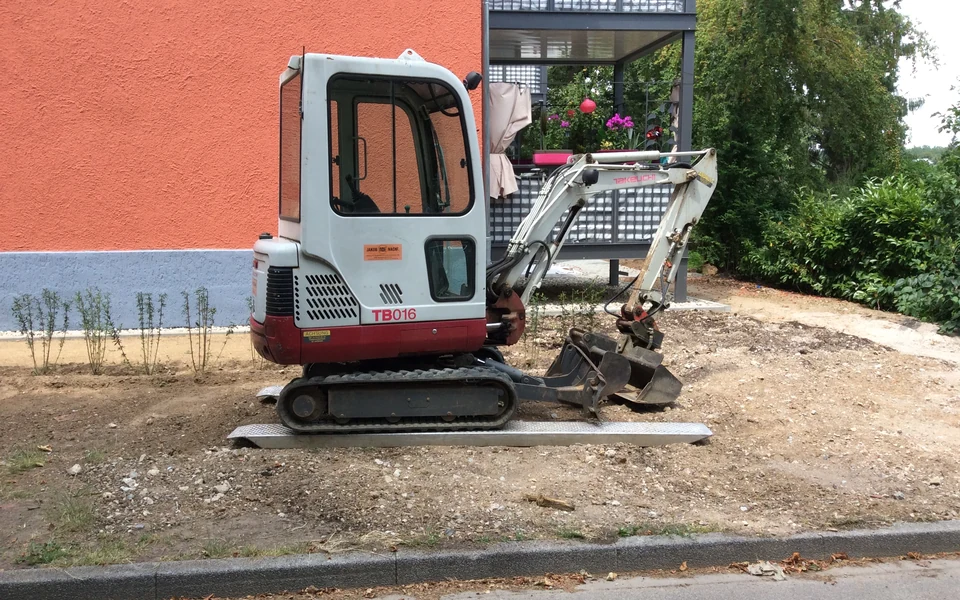
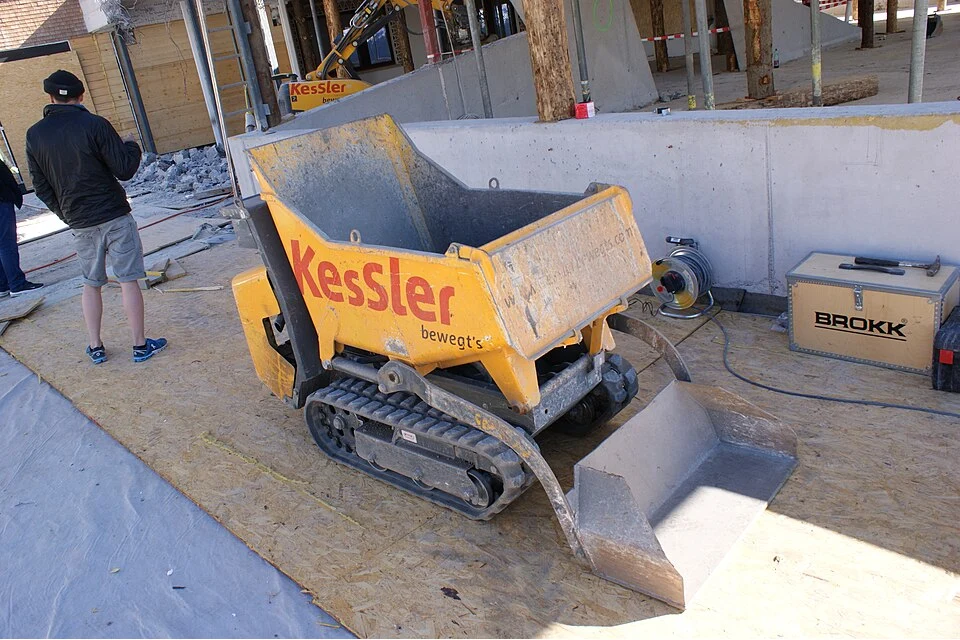
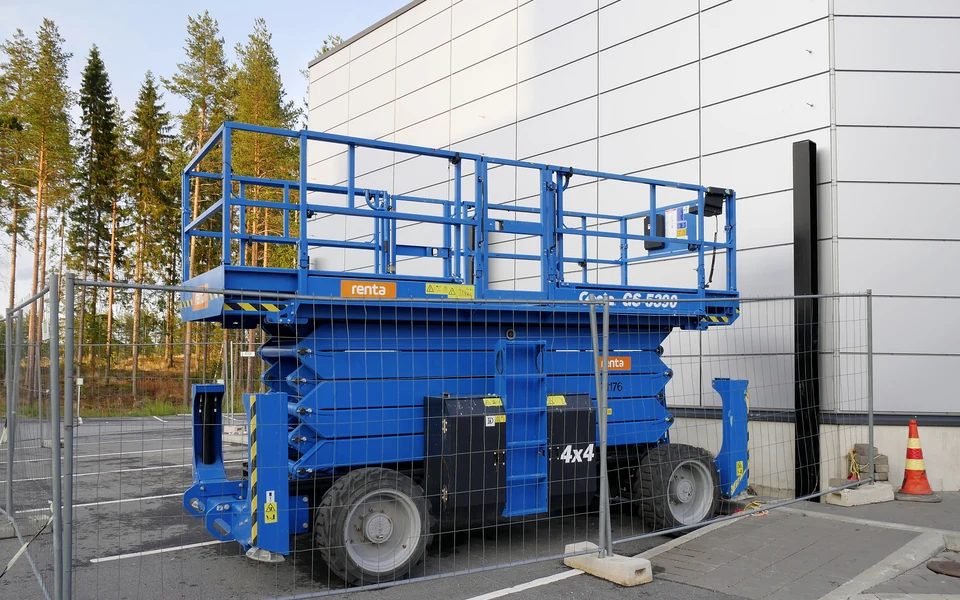
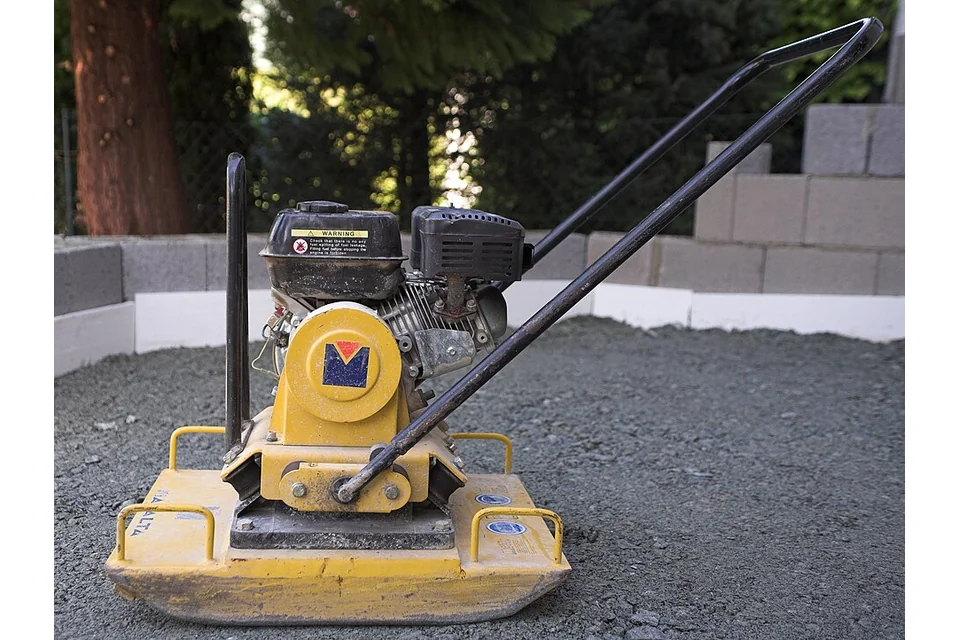
Self-drive hire works well when the person using the machine is trained and confident, the task is straightforward, and the hire runs for several days or weeks. Small machines such as micro diggers, dumpers, wacker plates and scissor lifts are commonly hired self-drive. The hire company should show you how the machine works at delivery. Ask for an induction if you are unsure.
You are normally responsible for the machine from delivery until collection. That includes daily checks, fuel, security and any damage. Read the hire terms carefully, including the damage waiver, theft cover and what happens if the machine breaks down.
When an operator is worth it
An operated hire is often better value when:
- Nobody on site is trained on that type of machine
- The job is close to buildings, underground services, roads or the public
- The site is run by a contractor that requires an operator card
- The task needs skill, such as fine grading, digging around cables or loading lorries quickly
- The job is short and the time saved outweighs the extra cost
Operators usually work a standard day, and travel time, overtime or weekend work can add to the price. Confirm the start time, breaks and any minimum charge.
Who is responsible for what
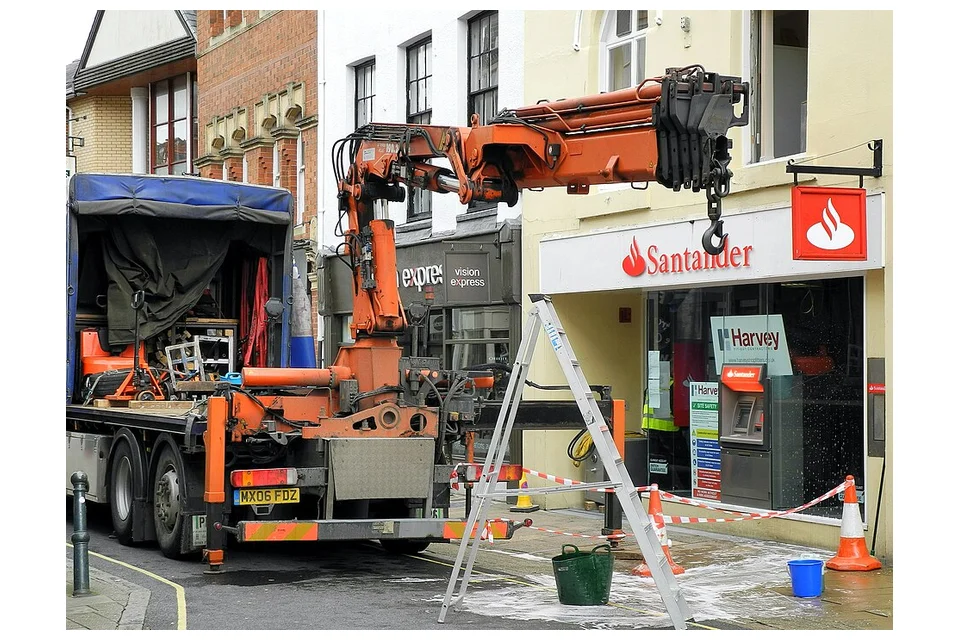
With self-drive hire, you plan and supervise the work. With operated hire, the operator runs the machine safely, but you still need to tell them about the site, including services, ground conditions and other people working nearby. For cranes and complex lifts, the difference between a basic crane hire and a contract lift is even more important. See lorry loader, mobile crane or tower crane.
Insurance and damage waiver
Many hire companies add a damage waiver as a percentage of the hire charge, which limits your liability for accidental damage but rarely covers everything. Businesses often hold hired-in plant insurance instead. Ask what is excluded, such as tyres, glass, theft without forced entry or damage caused by misuse.
Getting comparable quotes
When you ask for prices, request both options where available, and check whether each quote includes:
- Machine hire and operator time
- Delivery and collection
- Fuel and attachments
- Damage waiver or insurance
- VAT
Next steps
Our guides to mini digger sizes and plant operator cards help you decide what to ask for. When you send a request through Rentapa, you can choose with or without operator for each machine. Hire companies covering your area then contact you directly with their prices and terms.