Wacker plate, trench rammer or roller: which compactor to hire?
Compaction equipment is chosen by the material, the depth of each layer and the size of the area. A plate compactor, often called a wacker plate, suits paving and thin layers of granular sub-base. A trench rammer suits narrow trenches and cohesive soils. Rollers cover larger areas such as driveways, car parks and asphalt.
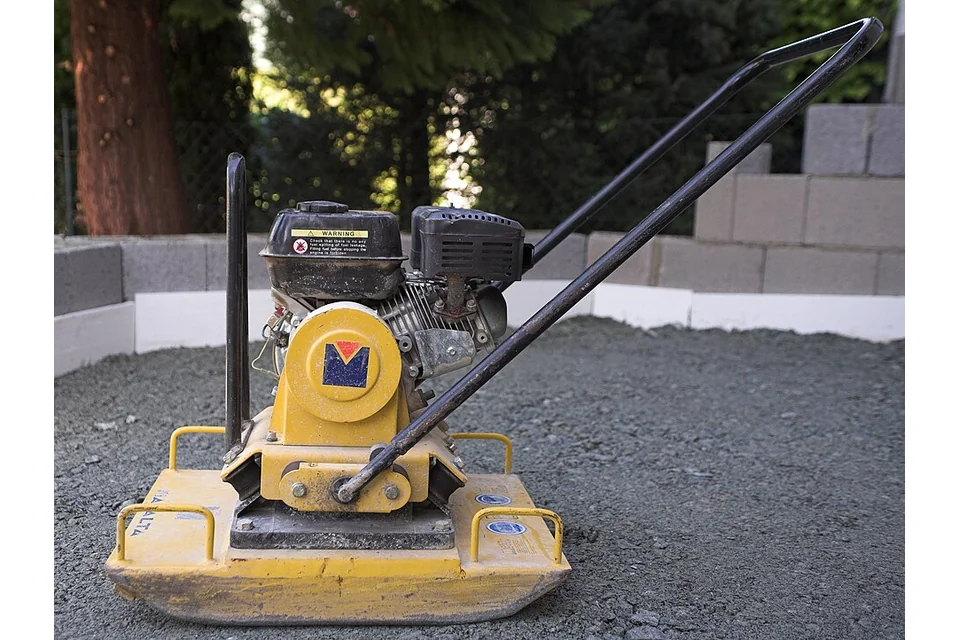
Quick comparison
| Machine | Best for | Typical area | Notes |
|---|---|---|---|
| Forward plate compactor | Block paving, thin sub-base layers, sand | Patios, paths, small drives | Light and easy to transport; use a paving pad on blocks |
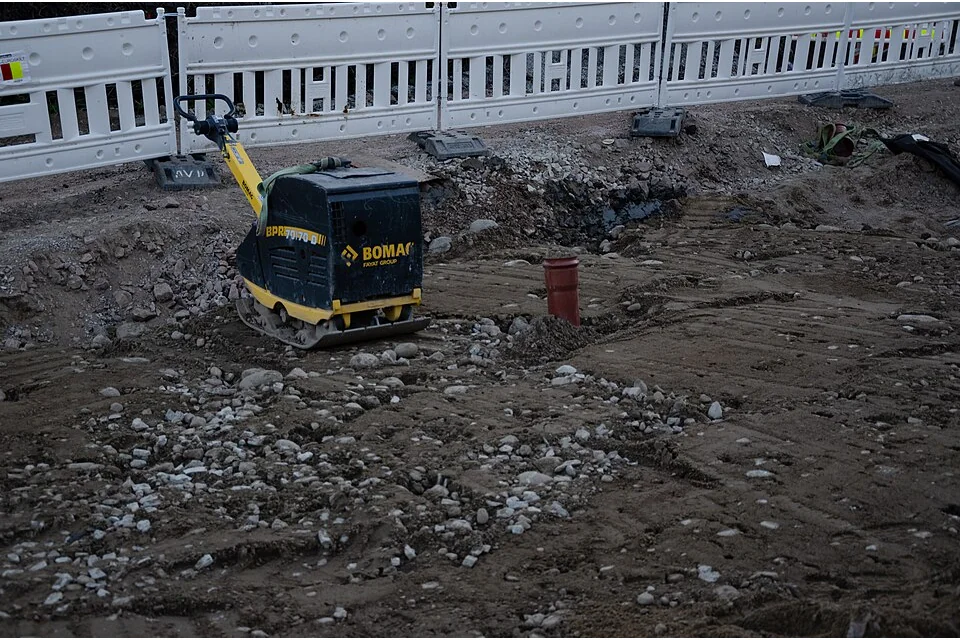
| Reversible plate compactor | Thicker sub-base, trench backfill | Drives, footings, service trenches | Heavier, goes forwards and backwards, often diesel |
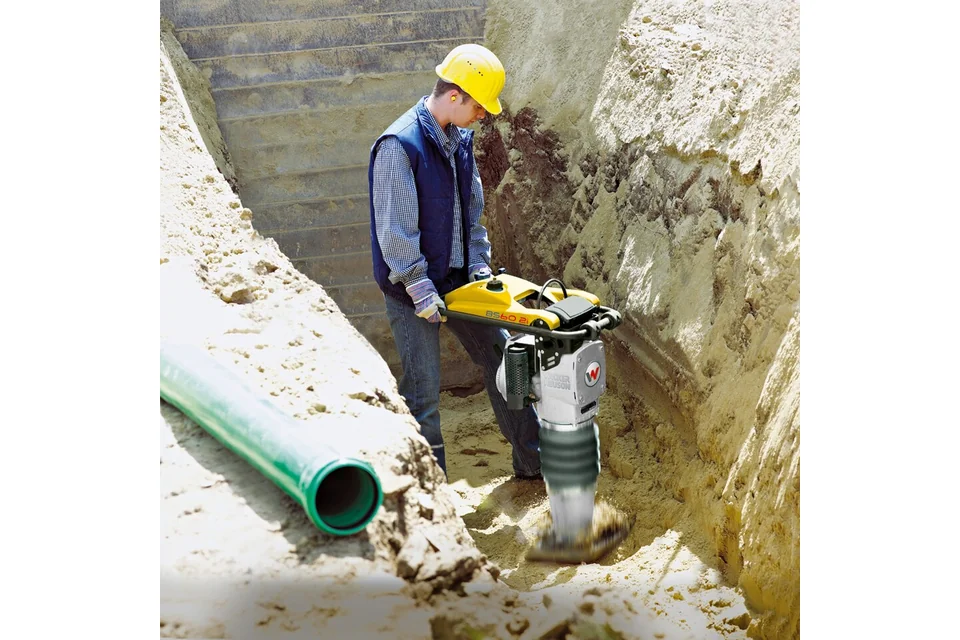
| Trench rammer | Narrow trenches, clay and mixed soils | Drainage and utility trenches | High impact force in a small footprint |
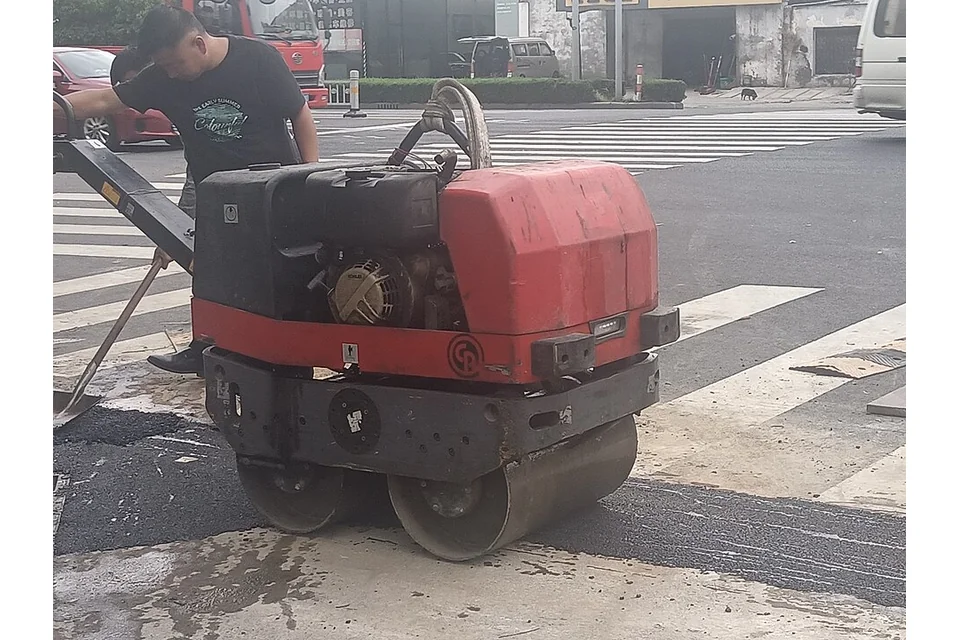
| Pedestrian roller | Sub-base and asphalt in narrow areas | Paths, small drives, repairs | Single or twin drum |
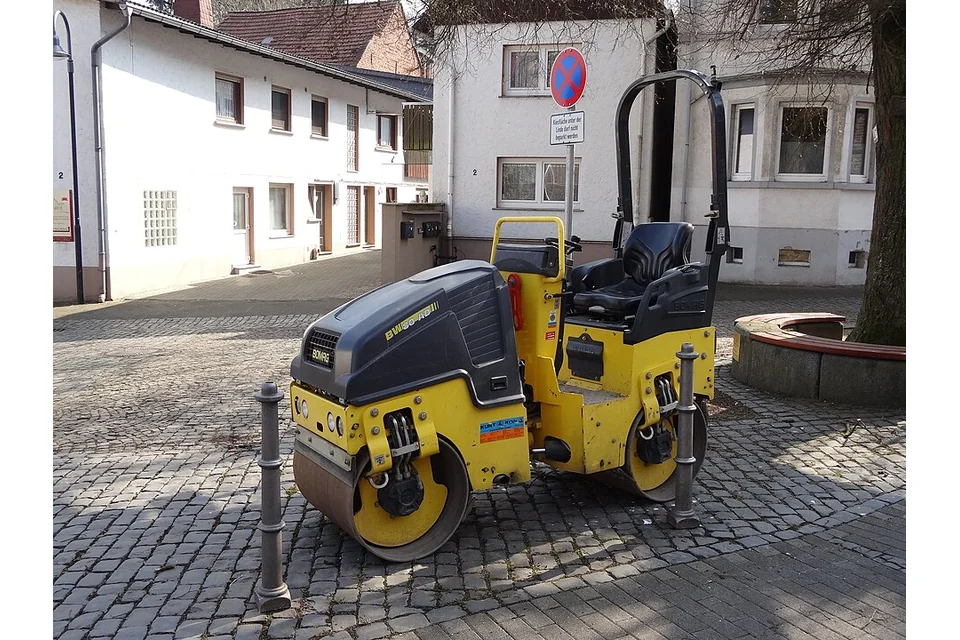
| Ride-on tandem roller | Larger areas of sub-base and asphalt | Drives, car parks, roads | Sized by drum width, often 80–140 cm |
Plate compactors
A forward plate compactor of around 70 to 100 kg is the most common hire for domestic paving. Compact the sub-base in layers, as your specification or supplier advises, rather than in one thick layer. When the blocks are laid, a rubber paving pad stops the plate scuffing or cracking them.
A reversible plate is much heavier, usually from around 150 kg up to 500 kg or more. It compacts thicker layers and can be reversed out of trenches and tight corners. It normally needs a vehicle with a ramp or tail lift, or delivery.
Trench rammers
A trench rammer, sometimes called a jumping jack, delivers strong vertical blows through a small foot. It suits backfilling narrow trenches around pipes and cables, and cohesive soils such as clay where a plate is less effective. Take care around shallow services.
Rollers
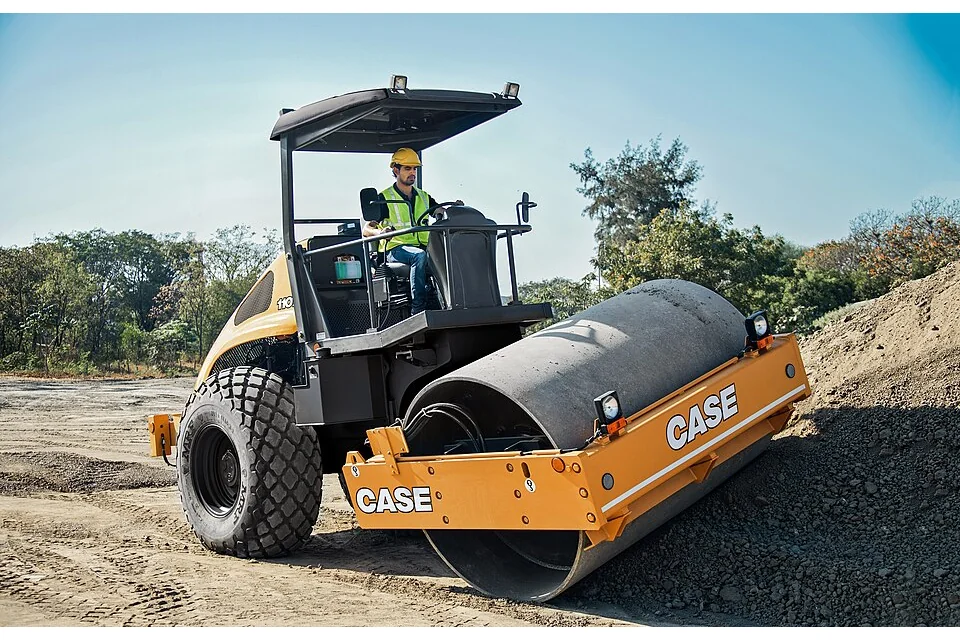
Pedestrian rollers are walked behind and suit paths, small car parks and tarmac repairs. Ride-on tandem rollers have two steel drums and are sized by drum width: an 80 cm roller fits drives and paths, while 120 to 140 cm rollers cover larger areas faster. Vibration settings and a water spray system for asphalt are standard on most machines. Single drum rollers are used for soil and stone on larger groundworks, and pneumatic tyred rollers for asphalt finishing on roads.
Safety
Plate compactors and rammers transmit vibration to the hands and arms. Check the vibration data provided with the machine, plan breaks and limit exposure time. Wear hearing protection, safety boots and gloves. Ride-on rollers need trained operators, and rollover protection and seat belts must be used.
Indicative prices
As a rough guide, a petrol plate compactor is often hired for around £60 to £76 a week before VAT, a trench rammer for around £100 to £111 a week and an 80 cm ride-on roller for around £250 a week. These are examples from individual hire companies, not Rentapa prices. Delivery, fuel and paving pads may be extra.
What to include in your request
- Material, such as block paving, MOT Type 1, soil or asphalt
- Area or length and the depth of each layer
- Access width and transport arrangements
- Dates and full site address
Rentapa forwards your request to hire companies covering your area, and they contact you directly with a quote.