Skid steer loader: wheels or tracks?
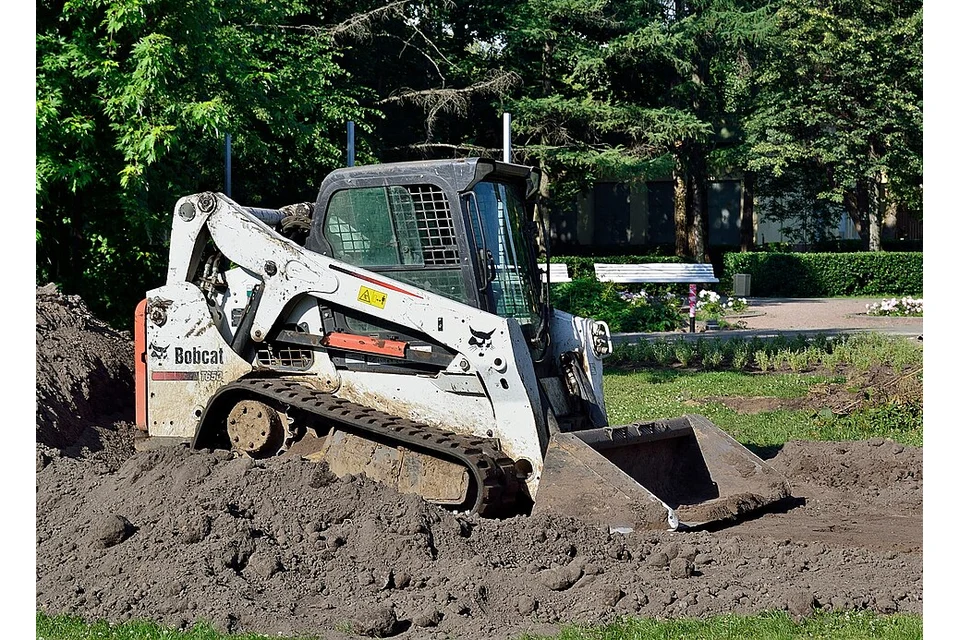
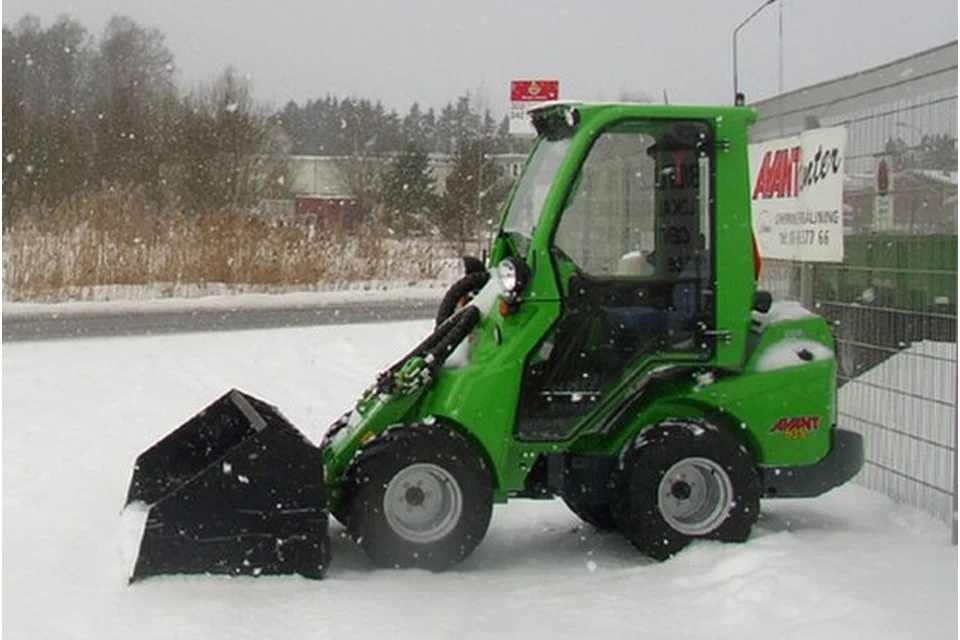
A skid steer is a compact loader that turns on the spot by driving the wheels or tracks on each side at different speeds. Wheeled skid steers are quicker on hard surfaces and cheaper to run. Tracked machines, also called compact track loaders, spread their weight over a larger area, so they work better on soft ground, slopes and finished lawns.
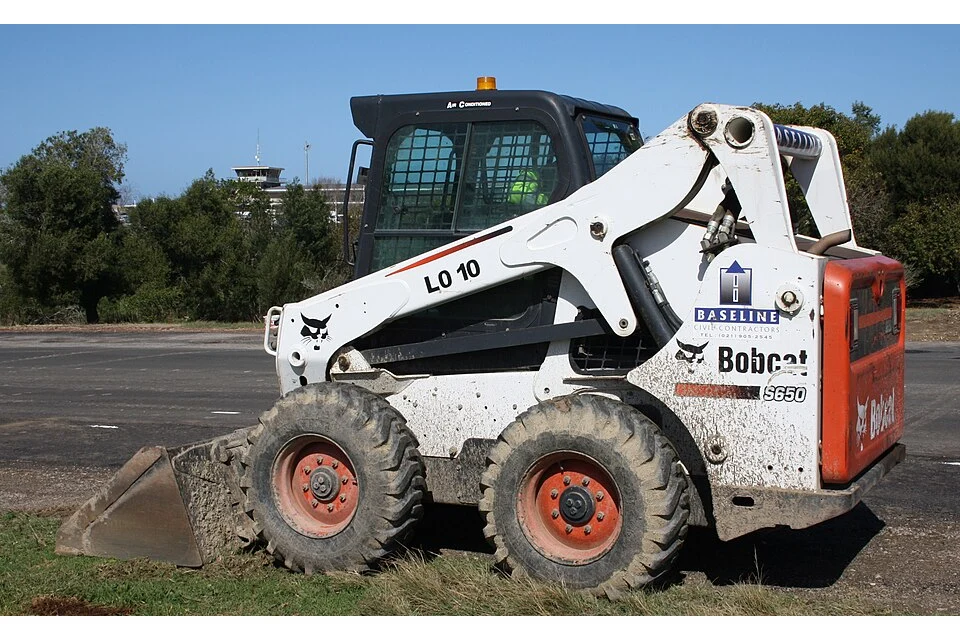
Wheels and tracks compared
| Wheeled skid steer | Tracked skid steer | |
|---|---|---|
| Best ground | Concrete, tarmac, firm hardcore | Soft ground, grass, mud, slopes |
| Ground pressure | Higher | Lower |
| Speed | Faster on hard surfaces | Slower, but steady in poor conditions |
| Wear and running costs | Lower; tyres are cheaper than tracks | Higher; tracks wear on abrasive surfaces |
| Turning damage | Can scuff surfaces when turning | Less rutting, but can tear turf if turned sharply |
Sizes
Skid steers are usually described by operating weight or rated operating capacity. Small machines of around 2.5 to 3 tonnes suit landscaping and tight sites. Larger machines of 3.5 to 4.5 tonnes lift and push more and handle heavier attachments. Check the width, the height for gates or barns, and the weight for trailers and transport.
Attachments
The value of a skid steer is in its attachments. Common options are:
- General purpose bucket and 4-in-1 bucket
- Pallet forks for moving pallets and materials
- Sweeper or collector broom for cleaning roads and yards
- Auger for fence posts and piles
- Grapple for brush and timber
- Trencher, planer or breaker on larger machines
Ask which attachments are included, which are extra and whether the machine has the hydraulic flow the attachment needs.
Skid steer, mini digger or backhoe?
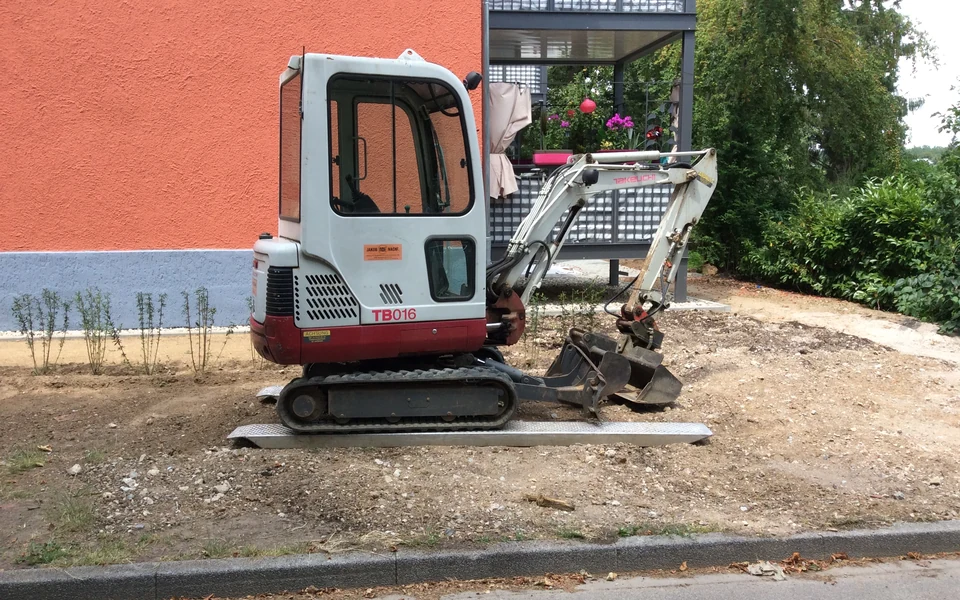
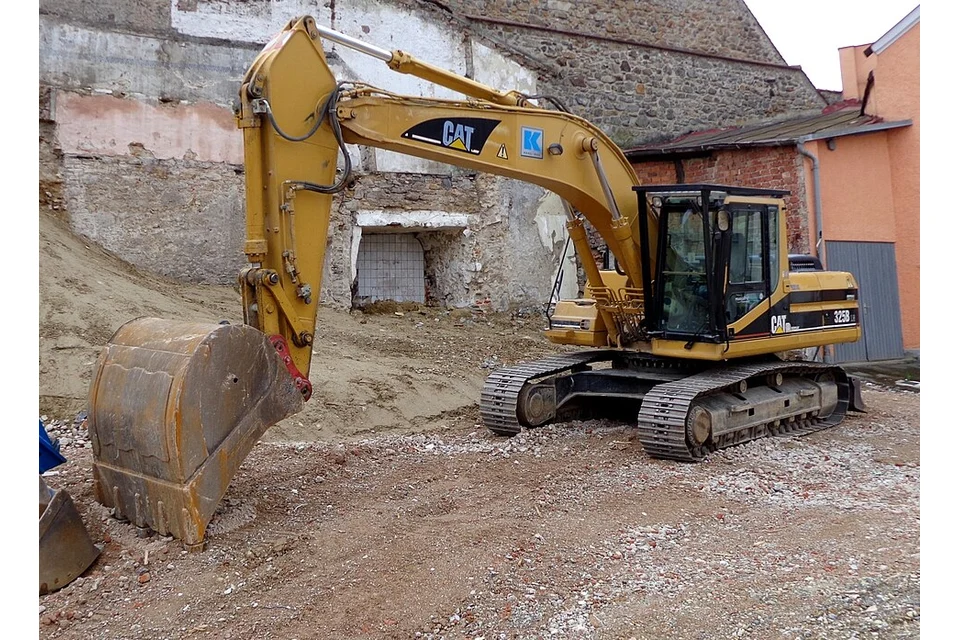
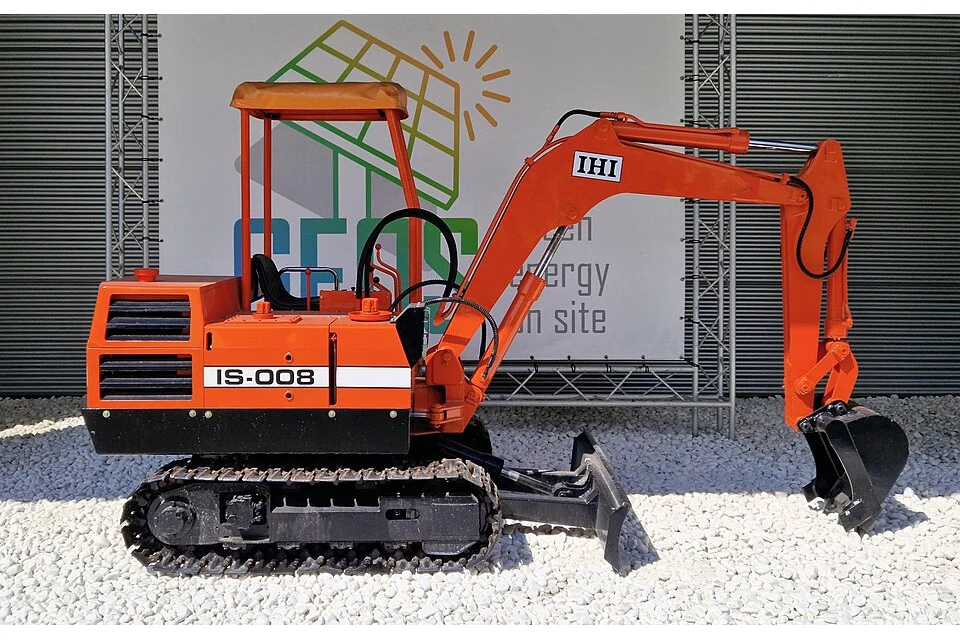
A skid steer is a loader: it pushes, carries and lifts, but it is not built for deep digging. For trenches and footings, a mini digger is usually better. A backhoe loader combines a loading shovel with a digging arm and suits roads and utilities work, but it is larger and often hired with an operator. On many domestic jobs, a mini digger and a small dumper make a good pair.
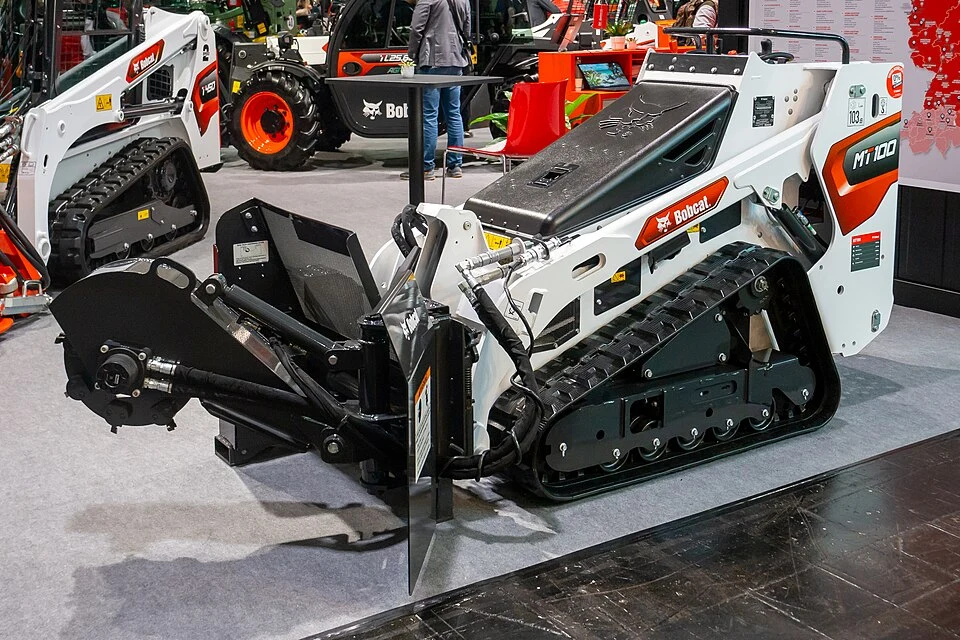
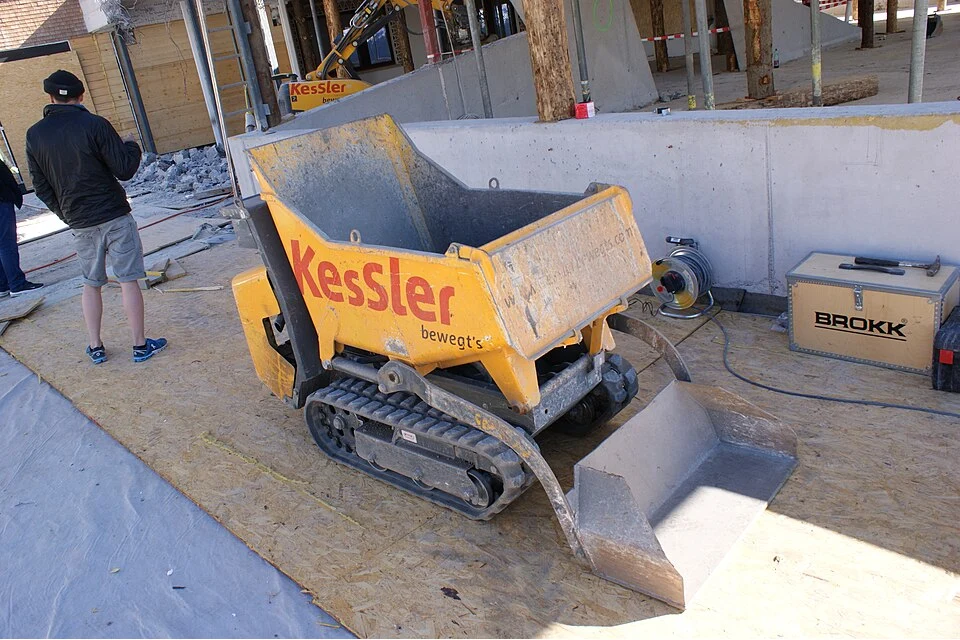
Walk-behind mini loaders
Walk-behind or stand-on mini loaders fit through gaps of under a metre and are ideal for back gardens. They carry less but save a lot of barrow work.
Transport and fuel
Most skid steers are delivered on a plant lorry or beam trailer, and delivery and collection are usually priced separately. Smaller machines can be towed on a suitable plant trailer if your vehicle and licence allow the combined weight. Machines normally arrive with fuel, and you may be charged to refuel them at the end of the hire, so check the hire terms before you start.
Operator and safety
Skid steers have a rollover protective structure and a seat bar or belt, which must be used. Keep people clear of the loader arms and never lift a load higher than needed when travelling. Many contractors expect a CPCS or NPORS card for skid steer operators.
Indicative prices
As a rough guide, a 2.8 to 3.5 tonne wheeled skid steer is often hired for around £450 to £500 a week before VAT, and a tracked skid steer for around £650 to £750 a week. These are examples from individual hire companies, not Rentapa prices. Attachments and delivery are usually extra.
What to include in your request
- Ground conditions and the main tasks
- Attachments needed
- Narrowest access width
- Self-drive or with an operator
- Dates and full site address
Rentapa forwards your request to hire companies covering your area, and they contact you directly.