Site cabins and welfare: what does a building site need?
Every construction site in Great Britain needs suitable welfare facilities from the first day work starts. The Construction (Design and Management) Regulations 2015 set out the basics: toilets, washing facilities, drinking water, somewhere to change and store clothing, and a place to rest and eat. On small or short jobs, a towable welfare unit can provide most of this in one trailer. Larger sites usually combine offices, canteens, toilet blocks and storage containers.
What welfare must include
| Facility | What it means in practice |
|---|---|
| Toilets | Enough for the number of workers, kept clean and lit |
| Washing | Hot and cold or warm running water, soap and drying |
| Drinking water | A supply that is clearly marked |
| Changing and storage | Somewhere to change and dry wet clothing |
| Rest facilities | Tables and seating, and a way to heat food and make hot drinks |
Northern Ireland, the Isle of Man and the Channel Islands have their own legislation, which follows similar principles. Check the rules that apply to your site.
Towable welfare units
Towable welfare units combine a canteen area, toilet, sink and drying room on a trailer, usually with an on-board generator or battery system. They are sized by the number of people they serve, typically up to about 5 or 10. They suit roadworks, utilities, small builds and sites without mains power.
Site offices and canteens
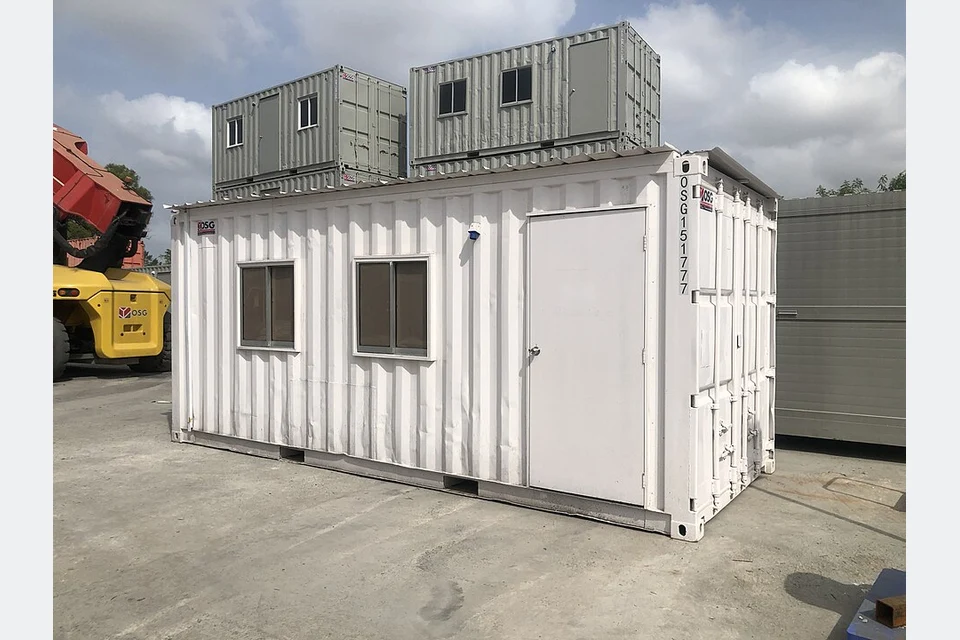
Steel anti-vandal cabins are the most common UK site accommodation, usually in lengths from about 10 to 32 ft. They can be fitted out as offices, meeting rooms, canteens or drying rooms. Ask what furniture, heating, lighting and power connection are included.
Toilets and shower blocks
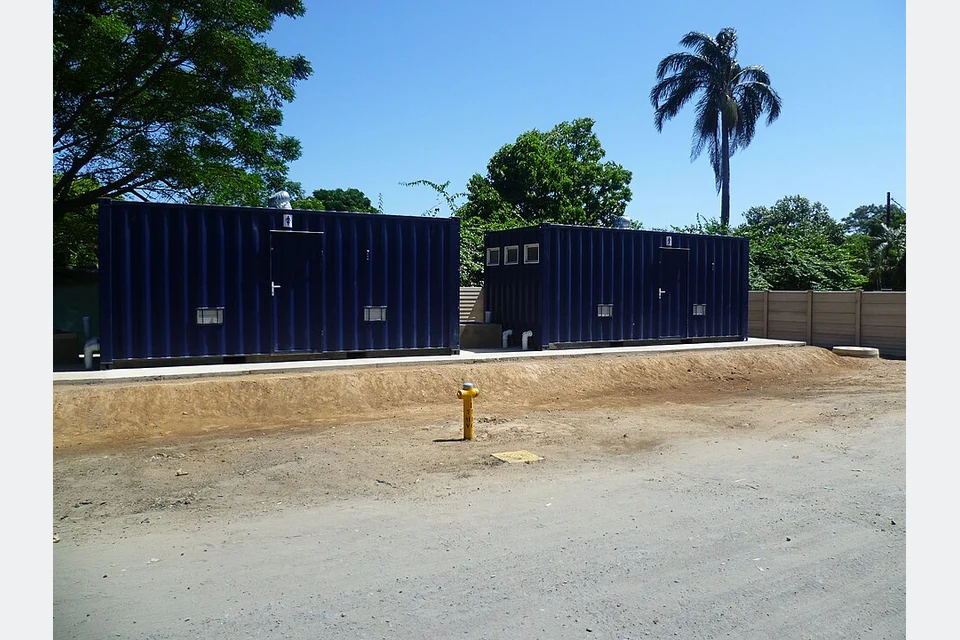
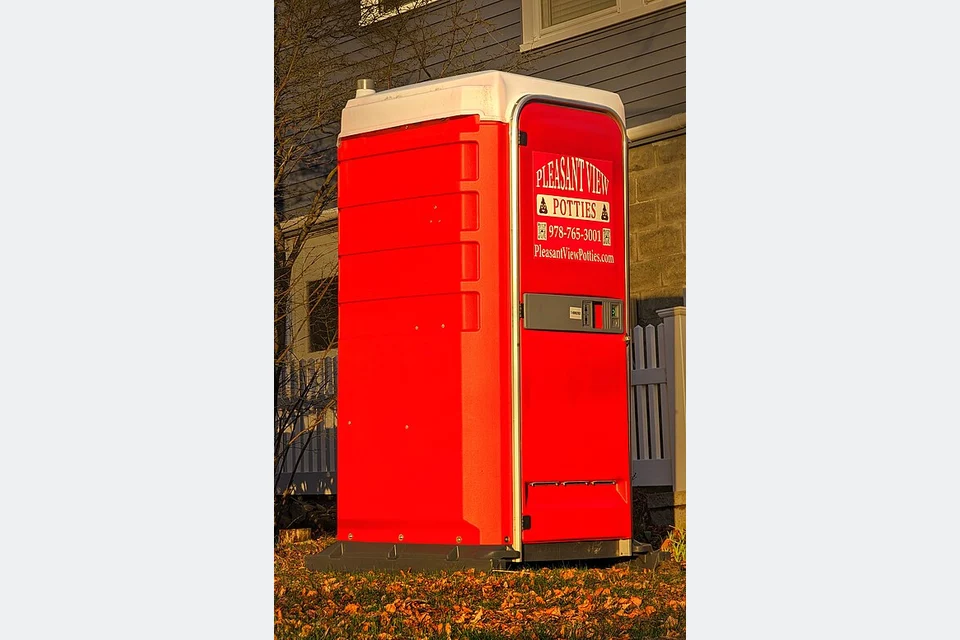
Portable chemical toilets suit small sites and events. Toilet and shower blocks are larger units that connect to mains water and drainage, or run from built-in tanks. Servicing is a key part of the price, so confirm how often units are emptied and cleaned.
Storage containers
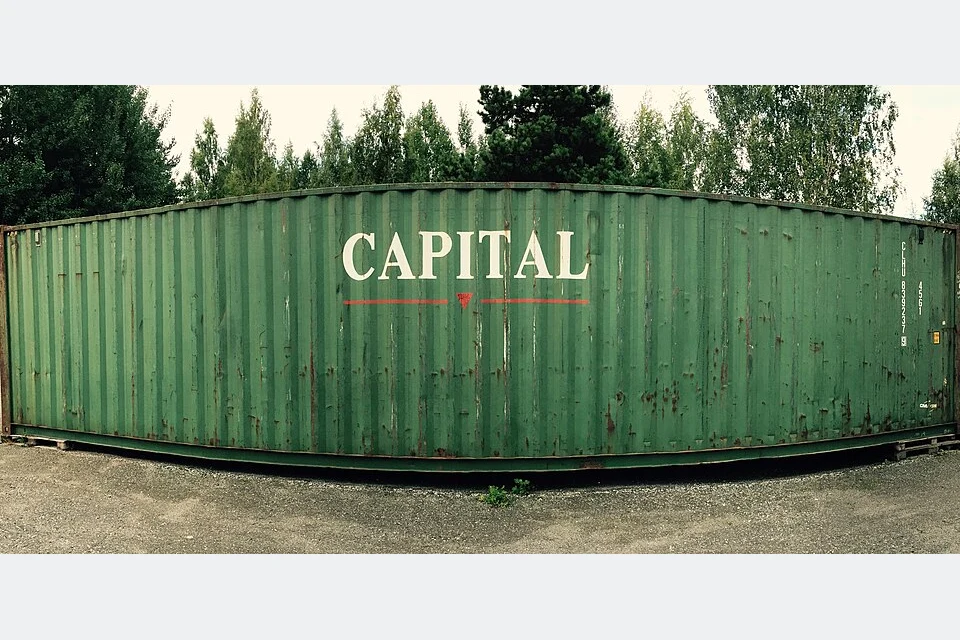
Shipping-style containers, often 10 or 20 ft long, keep tools and materials secure. Check the lock type and whether the container has a separate secure lock box.
Delivery and placement
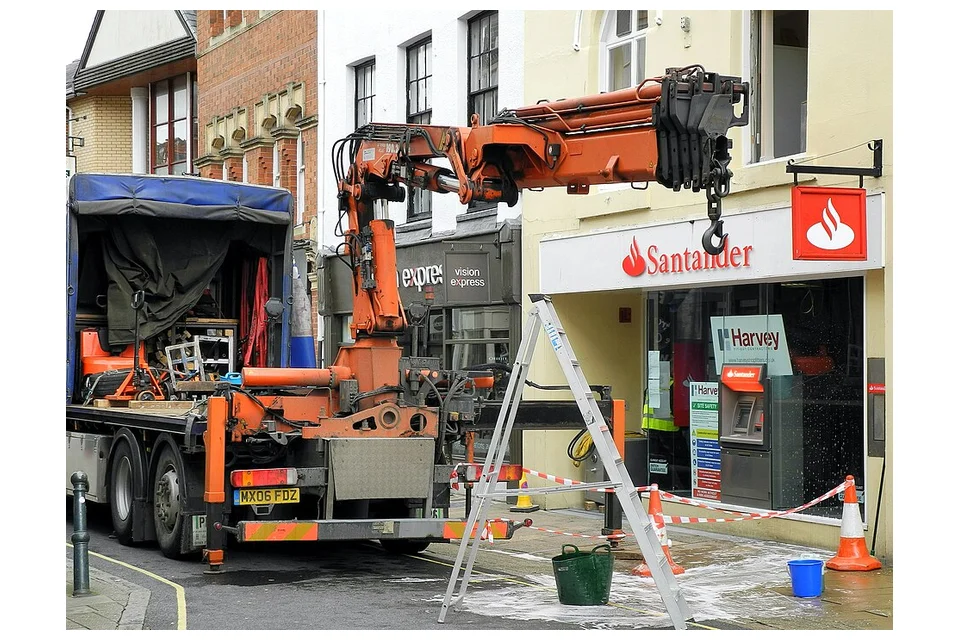
Cabins and containers are usually delivered by HIAB lorry. Check that the vehicle can reach the drop point, that there are no overhead cables and that the ground is firm and level. Cabins should be placed on timber sleepers or a firm base. If a unit must go on the road, you may need a permit from the local council.
Indicative prices
As a rough guide, a secure site office can be around £30 to £35 a week, and a towable welfare unit around £195 to £245 a week, often with a minimum hire of four weeks. A chemical toilet can be around £45 a week. These are examples from individual hire companies, not Rentapa prices, and not all of them state whether VAT is included, so check each quote. Delivery, collection, servicing and fuel are usually extra.
What to include in your request
- Number of people on site and how long the job lasts
- Whether mains power, water and drainage are available
- Units needed: office, canteen, toilets, storage
- Delivery access and placement
- Start date and full site address
Rentapa forwards your request to hire companies covering your area, and they contact you directly.